Understand the mountain setting
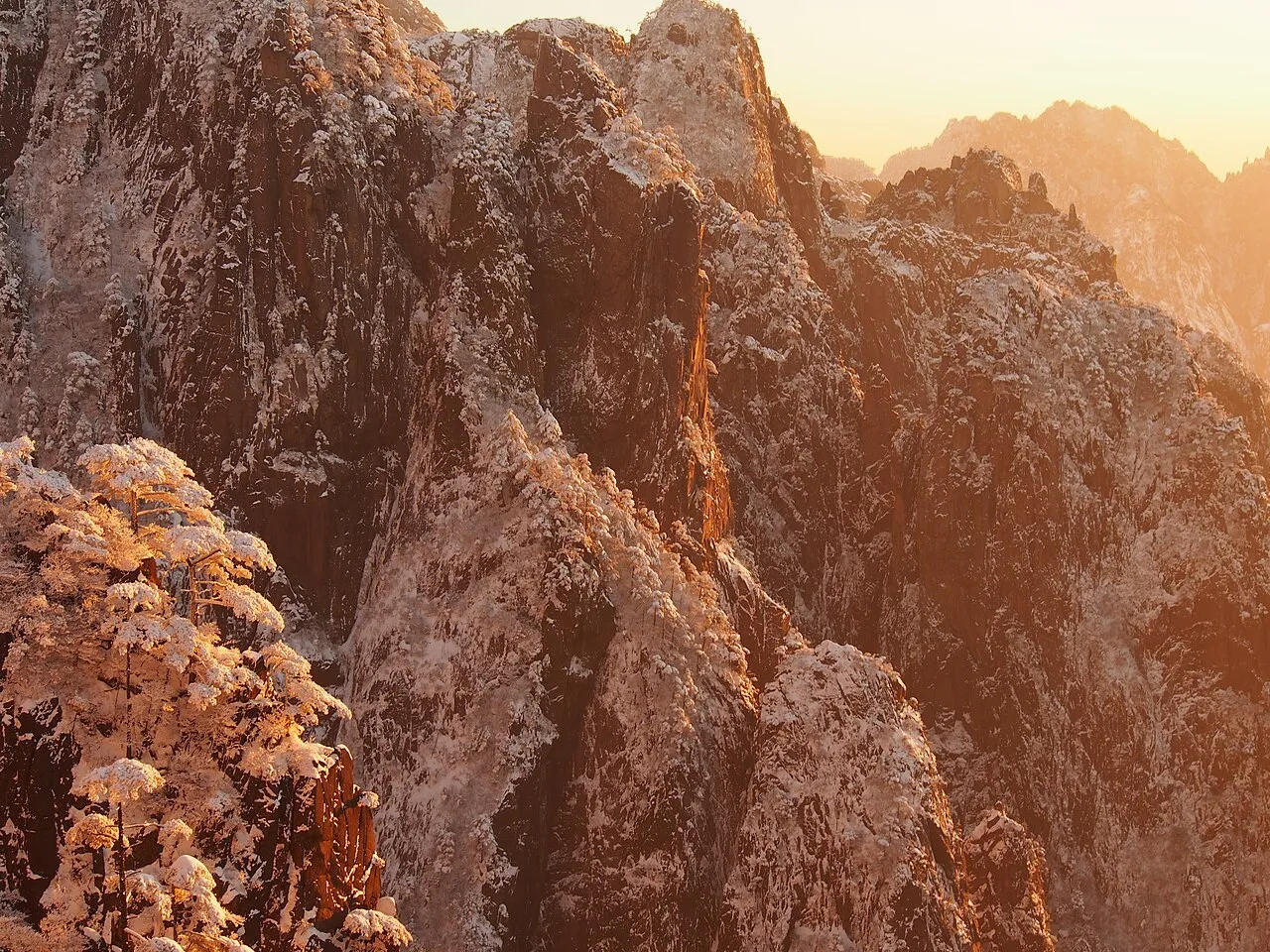
Huangshan’s granite peaks, pines and shifting cloud create many different viewpoints. The landscape is not one platform reached by a cableway. Even a transport-assisted visit involves walking between areas, so plan around your group’s stamina rather than the longest list of scenic names.
Link entry, route and exit
Choose an ascent and descent that form a practical circuit under current opening conditions. Check any seasonal closure before booking accommodation or transport. If staying on the mountain, locate the hotel in relation to your walking route; a familiar name does not guarantee a short approach with luggage.
Give viewpoints time
Pick several viewpoints and pause for changing light. A sea of clouds or clear sunrise cannot be guaranteed. If the mountain is misty, focus on nearby pines and rock forms rather than repeatedly crossing long routes in pursuit of a distant scene that may remain hidden.
Pack for steps and conditions
Travel light, use suitable footwear and carry layers for the mountain rather than city temperatures. Confirm the last descent options and allow generous time to reach them. Follow barriers and closed-route notices; an older map may show paths that are not available on your date.
Is an overnight stay necessary?
No, but it can make a longer route more comfortable and provide extra opportunities for light. A day visit works with a deliberately limited plan. Choose by walking ability, budget and available time instead of assuming every visitor must climb before dawn.