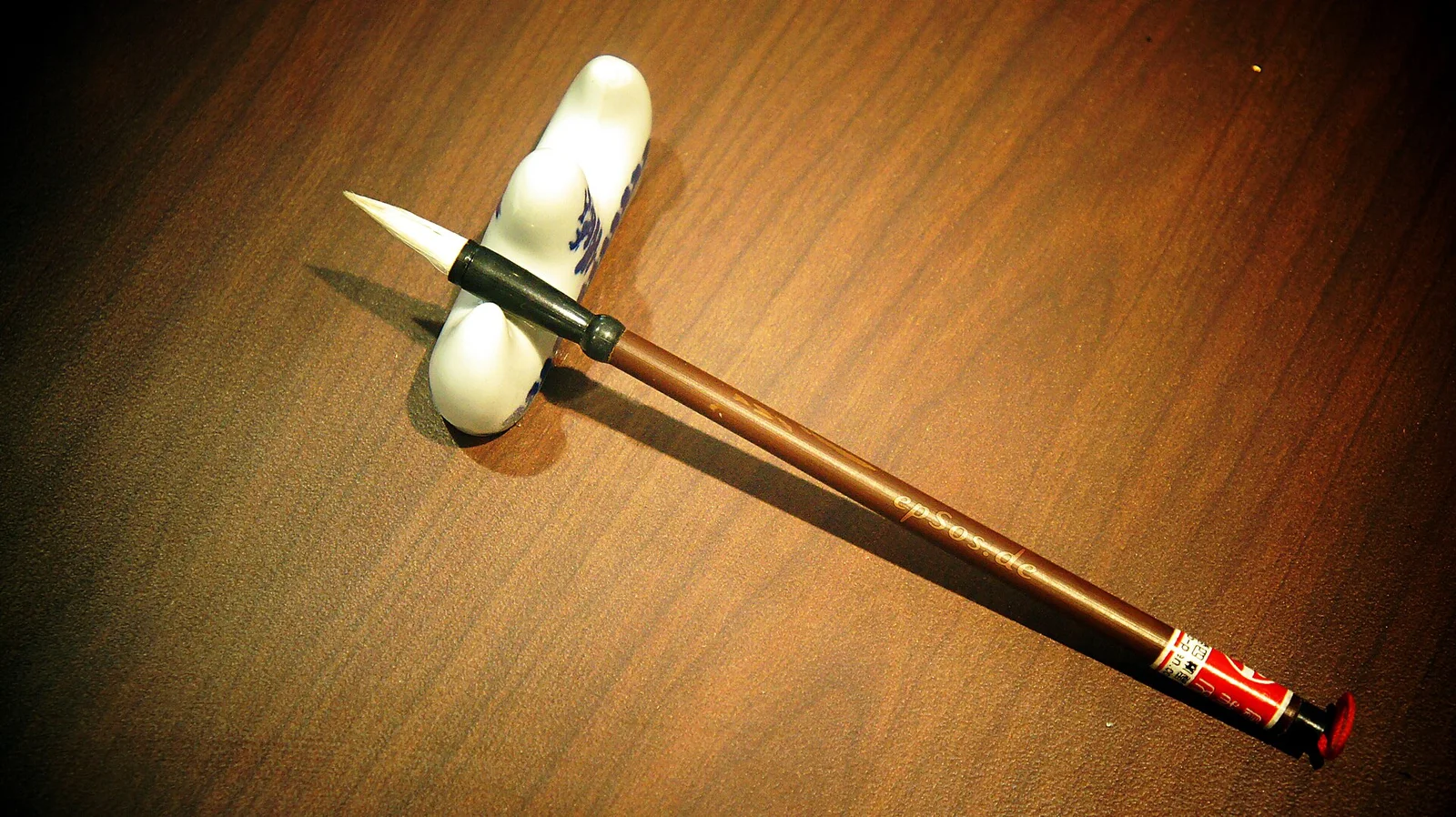
Look at writing as a physical practice
Chinese calligraphy turns written characters into an expressive visual art. UNESCO describes five script traditions, but a first lesson does not need to cover all of them. Concentrating on a few strokes makes it easier to understand pressure, direction and the space around a character.
Tell the teacher whether you read Chinese. A good introductory visit can make sense through demonstration even when the learner does not know the language, provided the explanation is accessible.
Ask for practice time
Before booking, check whether you will hold the brush yourself or mainly watch a demonstration. Ask about the group size and how much individual help is included. One carefully explained character can be more memorable than copying a whole poem without understanding it.
Request a short explanation of the chosen character's meaning and pronunciation. If you want your name written, agree whether it will be represented by sound, a Chinese name you already use or a phrase chosen for the artwork.
Make the setting easy to use
Choose a seated session with enough table space and light. Wear clothing you are comfortable using around ink, and keep cameras and drinks away from the writing area. For families, ask about age-appropriate materials and a shorter session rather than expecting children to sustain a long formal lesson.
Allow the finished sheet to dry before packing. Ask how to carry it flat or rolled and whether mounting is included or costs extra.
Connect the lesson to the city
Afterwards, notice signs, inscriptions or museum examples during an ordinary walk. Look for the movement you practised instead of trying to decipher every word. A seal-engraving experience can extend the idea of a personal mark, while paper cutting offers a different relationship between hand movement and empty space.