Keep a four-part address card
For each hotel, station or booked experience, save the Chinese name, full address, contact number and agreed entrance or meeting point. Add the booking name when relevant. Keep a screenshot or note offline as well as a live map link.
For a group, share the same card with everyone. A translated nickname used in conversation can be convenient, but it should not replace the official place name when a driver needs to find you.
Check branches and entrances
Search results can show several branches of a hotel, restaurant or shop. Compare the district and street with the reservation before starting navigation. Large sites may also have separate visitor entrances, vehicle gates and exits.
Ask the host which entrance to use and whether a car can reach it. For a pedestrian lane, agree where to get out and how the final walk works with luggage or a pushchair.
Use a meeting description as well as a pin
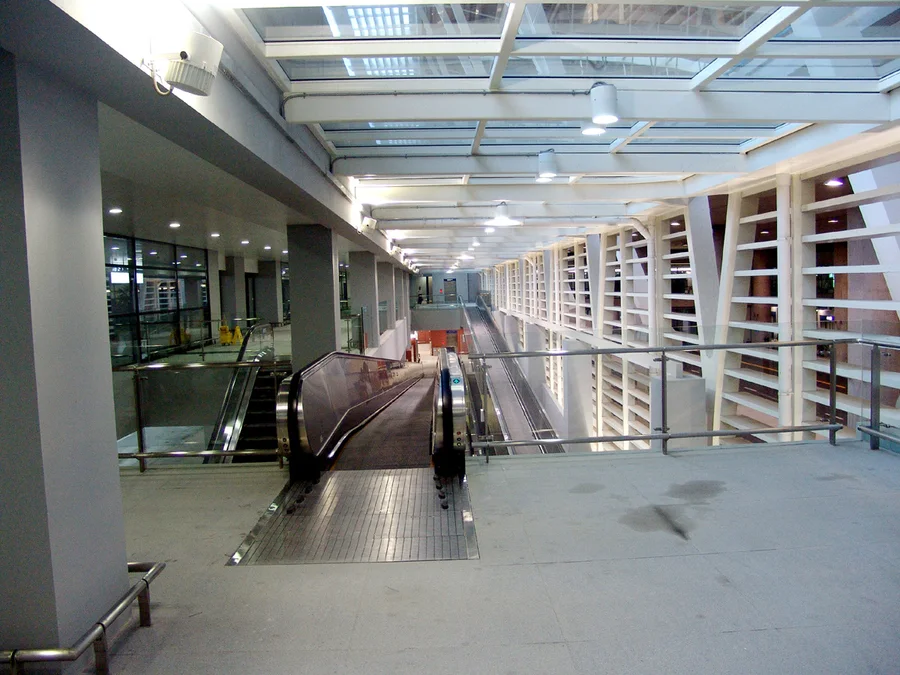
A map pin may be close horizontally while placing people on different floors or opposite sides of a road. Add a clear landmark, level and exit number where available. At a large station, agree whether the driver is waiting inside the permitted meeting area or at a vehicle pickup zone.
Send a photograph of the sign you can actually see when you are uncertain, without including unrelated people's personal information. Ask the host to confirm the location before walking farther.
Build a route back
Before leaving the hotel, make sure you can show its address to someone else without unlocking several apps or finding an old conversation. If connectivity fails, the written card and telephone number give you a practical fallback. For Shanghai's major transport hubs, the city's official Hub Connect guidance offers another navigation aid. Our airport transfer checklist shows which details to share before arrival.