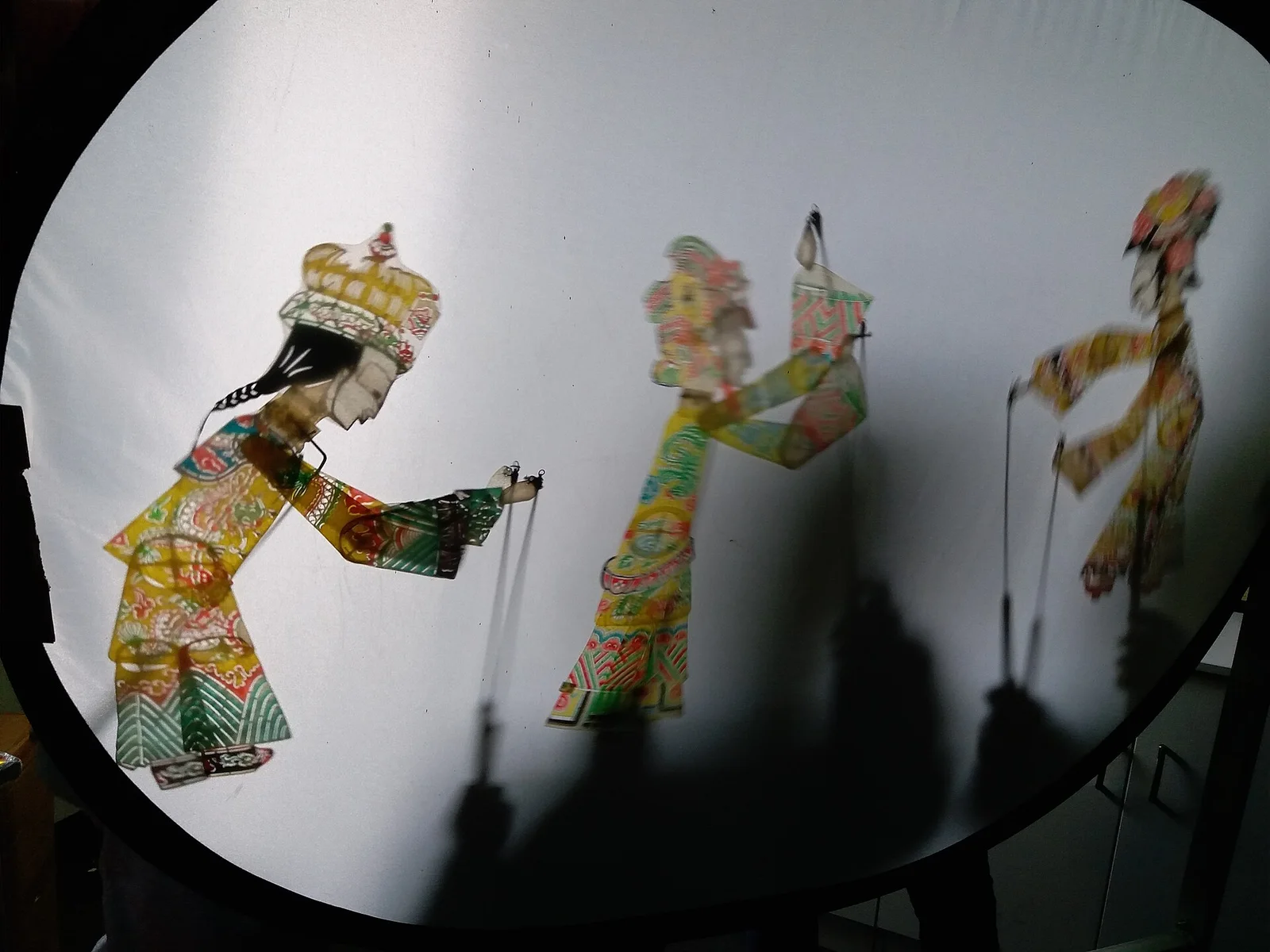
Look at both sides of the screen
Chinese shadow puppetry uses illuminated figures, manipulation, voices and music to tell a story. UNESCO describes figures made from leather or paper and controlled with rods. Watching the screen shows the effect; a permitted view of the performers can reveal the coordination behind it.
Ask whether the visit includes a live performance, a museum display or a conversation with a maker. These are different ways to encounter the tradition, and a photograph of puppets does not guarantee a show.
Choose a story you can follow
For a first performance, request a short plot summary before it begins. Learn who the main characters are and what they are trying to do. You can then watch changes in movement, voice and rhythm without needing a translation of every line.
Check the duration and language support. A brief introduction with one complete scene can be more rewarding for a newcomer than a long programme with no explanation.
Ask about the craft behind the movement
If the host offers a workshop, confirm whether you will make a simple figure, try manipulation or mainly observe. Ask how the joints and rods affect movement. Handle an object only when invited; a working puppet and a durable workshop sample may need different care.
Keep photography separate from participation. Ask whether recording is permitted and avoid flash or a bright screen that distracts the audience or interferes with the performance.
Place the visit thoughtfully
Pair a scheduled show with a relaxed meal nearby rather than a rushed arrival from another district. If only an exhibition is available, make that the focus and do not promise children a performance that has not been confirmed. For another paper-based craft with a different purpose, explore Chinese paper cutting. An unhurried encounter with one maker often explains more than several souvenir stops.