Know what you are listening to
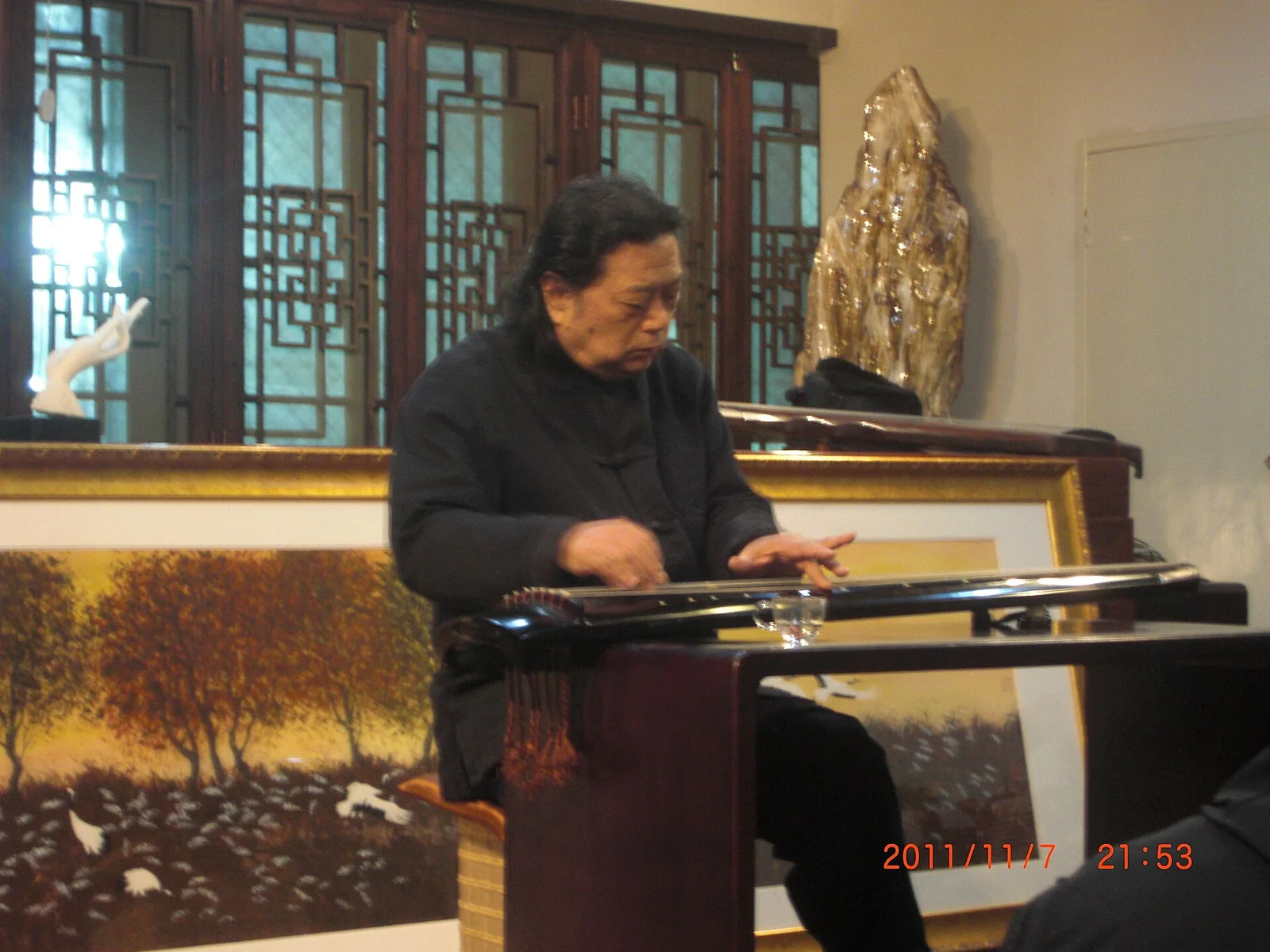
The guqin is a seven-stringed Chinese instrument with a long association with scholarly and artistic life. UNESCO's account describes several ways of producing sound, including open strings, stopped strings and harmonics. You do not need technical training to begin noticing those differences.
A small listening session can suit a slower travel day. Ask the organiser whether the event centres on guqin music or is a wider entertainment programme that includes a short instrumental passage.
Ask for one piece in context
Request a brief introduction to a selected piece, then listen to it without a running translation. Afterwards, ask the musician to demonstrate a sound or gesture that caught your attention. This sequence lets the music remain a whole experience rather than becoming only an explanation.
Check whether the introduction can be given in a language you understand. A translated programme is useful, but it may not replace a conversation if learning is your main purpose.
Separate listening from a lesson
If you want to try the instrument, book that explicitly. Confirm the teaching time, number of learners and whether a practice instrument is provided. A concert ticket does not imply permission to handle a musician's instrument afterwards.
Choose a session length that matches your interest. A short, attentive introduction often works better for families than a long recital chosen only because it is available.
Protect the quiet
Arrive early enough to settle, silence notifications and follow recording rules. Avoid moving around for photographs during a piece. Leave a relaxed interval afterwards rather than heading straight into a noisy, hurried activity. A calligraphy experience on another part of the trip can develop a related interest in concentration and gesture, without trying to compress several arts into one evening.