Connect the art to the place
Kunqu developed in Kunshan in the Suzhou region, and works such as The Peony Pavilion remain associated with its repertoire. UNESCO describes an art combining singing, recitation and highly organised movement. It rewards a little attention before the curtain rises.
Add a performance to a Suzhou stay because you want to spend time with the art, not merely because a garden visit leaves a spare hour.
Read the exact programme
Find out whether the event is a full work, selected scenes, a demonstration or a workshop. A brief excerpt can be a fine introduction if the host explains where it sits in the story. Ask about the language of the introduction and any surtitles.
For The Peony Pavilion or another unfamiliar work, learn the central characters and the situation of the scene beforehand. You do not need to memorise the plot to notice a change in feeling or pace.
Give the performance its own space
Confirm the venue and schedule for your date. Do not assume a garden or cultural venue stages the same show every day. Leave time to arrive, find your seat and settle rather than entering after a long, hot sightseeing circuit.
Keep the evening meal nearby. If the event takes place in a smaller setting, ask about seating comfort and access before booking for anyone who finds steps or prolonged sitting difficult.
Notice gesture as well as sound
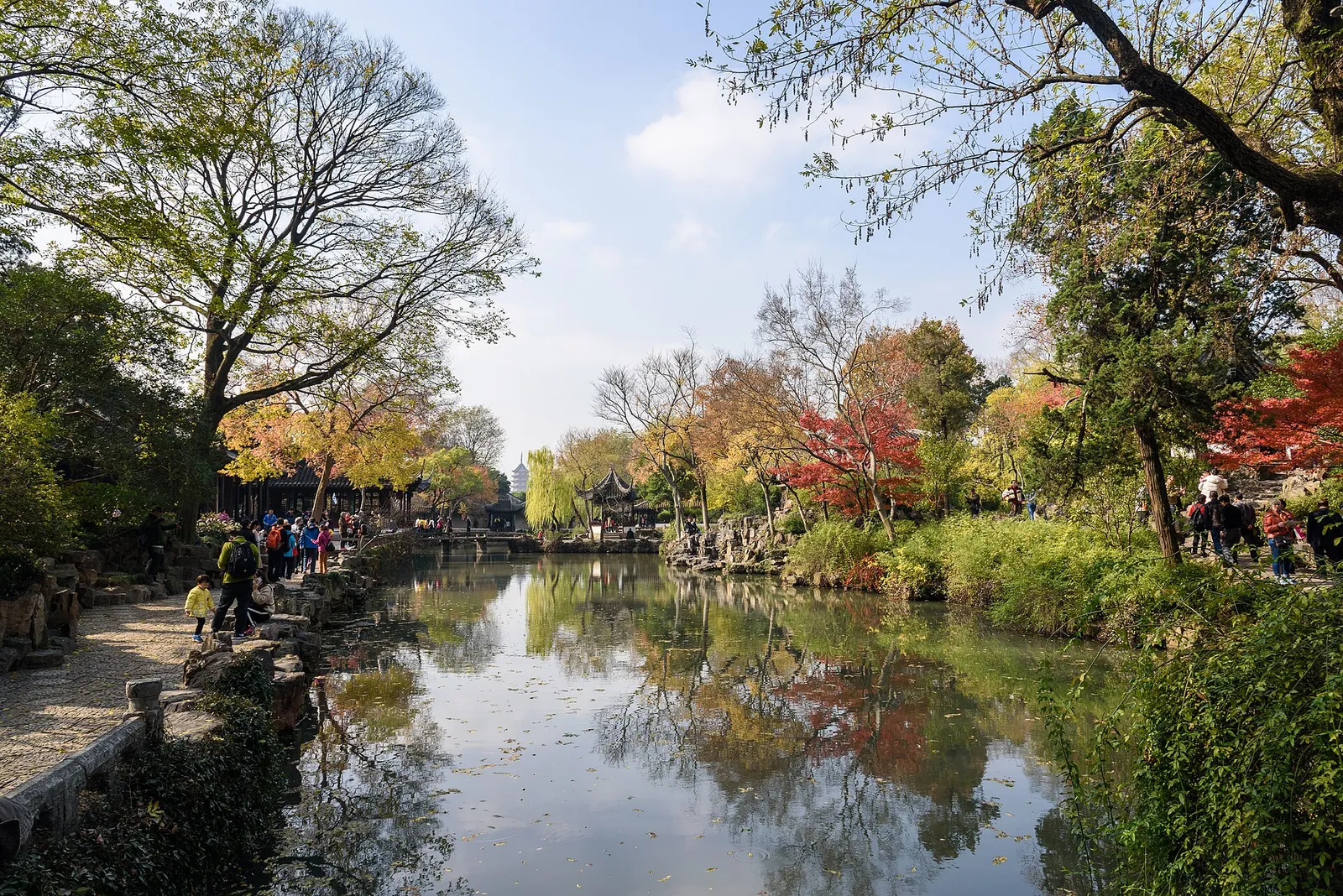
Watch how a hand, turn or pause carries meaning, and let the music set the pace. Follow the venue's recording rules so that a camera does not become a barrier between you and the scene. The next morning, a quiet walk in Suzhou's gardens can provide a different kind of close observation. Compare the two experiences at your own pace rather than trying to turn every detail into a cultural rule.