What makes 798 different
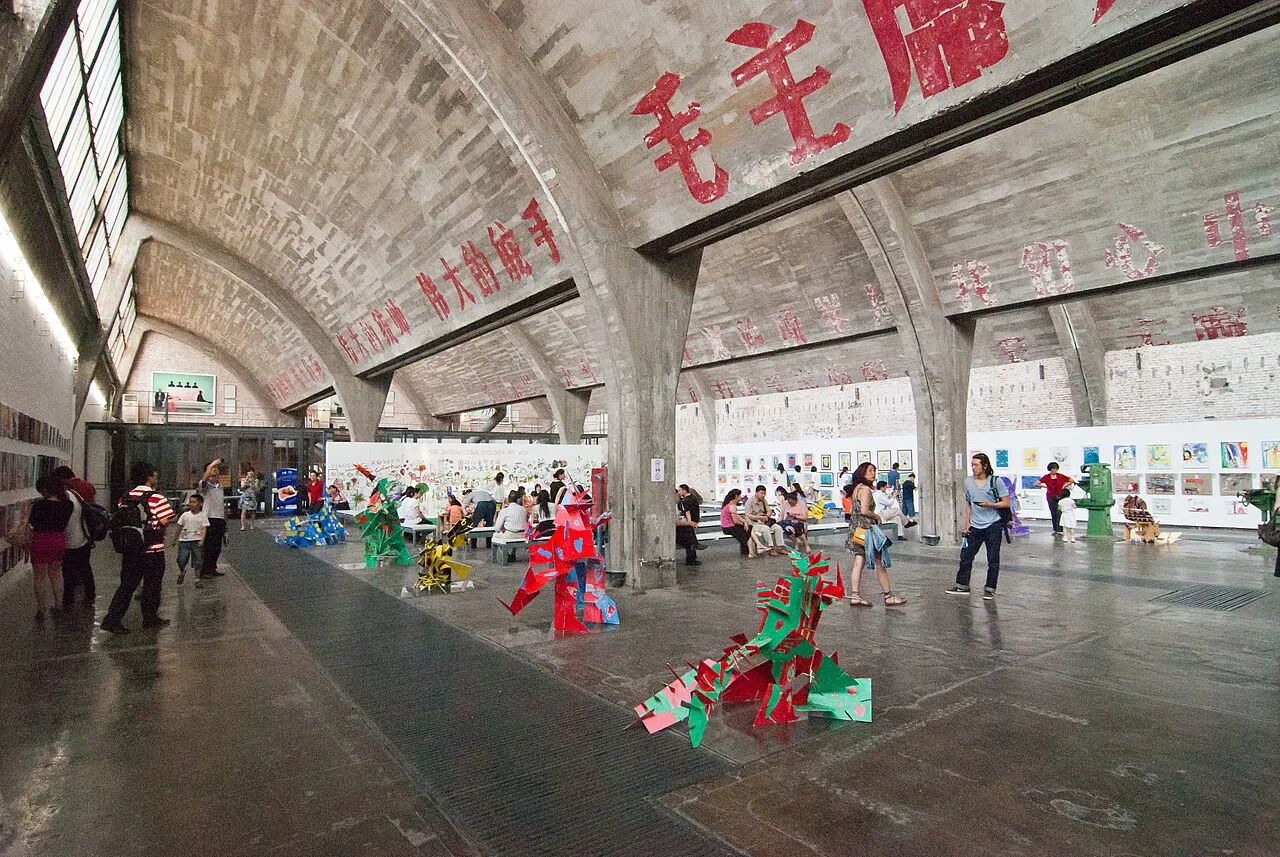
Beijing’s 798 district grew from an industrial complex into a neighbourhood of galleries, exhibition venues and creative businesses. The former factory architecture gives it a character distinct from an imperial garden or museum. Contemporary art and the buildings that contain it are both part of the visit.
Start with an exhibition, not a checklist
Look at the current programmes of the venues you are most interested in and choose one principal exhibition. Build a walk around that appointment, leaving room for smaller galleries, design shops and a café. Exhibition changes can alter the experience, so recommendations from an old travel blog may no longer describe what is showing.
How much time to allow
We suggest three to four hours for one substantial exhibition and an exploratory walk. An art-focused traveller could spend longer. If you only want the streets and industrial exteriors, a shorter visit is possible, but do not confuse that with seeing the exhibitions inside the district’s institutions.
Getting there and budgeting
798 is in northeastern Beijing, separate from the central palace-and-hutong cluster. Save the entrance or venue address in Chinese and allow for traffic when arranging a return transfer. Public streets, individual exhibitions and special events can have different access rules and charges. Check them independently before buying a package.
Is it a useful rainy-day plan?
It can be, if the exhibitions you want are open. Moving between buildings still involves outdoor walking. Confirm venue opening days, carry a light umbrella and avoid packing several timed tickets too closely together. A café break provides welcome flexibility between exhibitions.