What makes Qingcheng distinctive
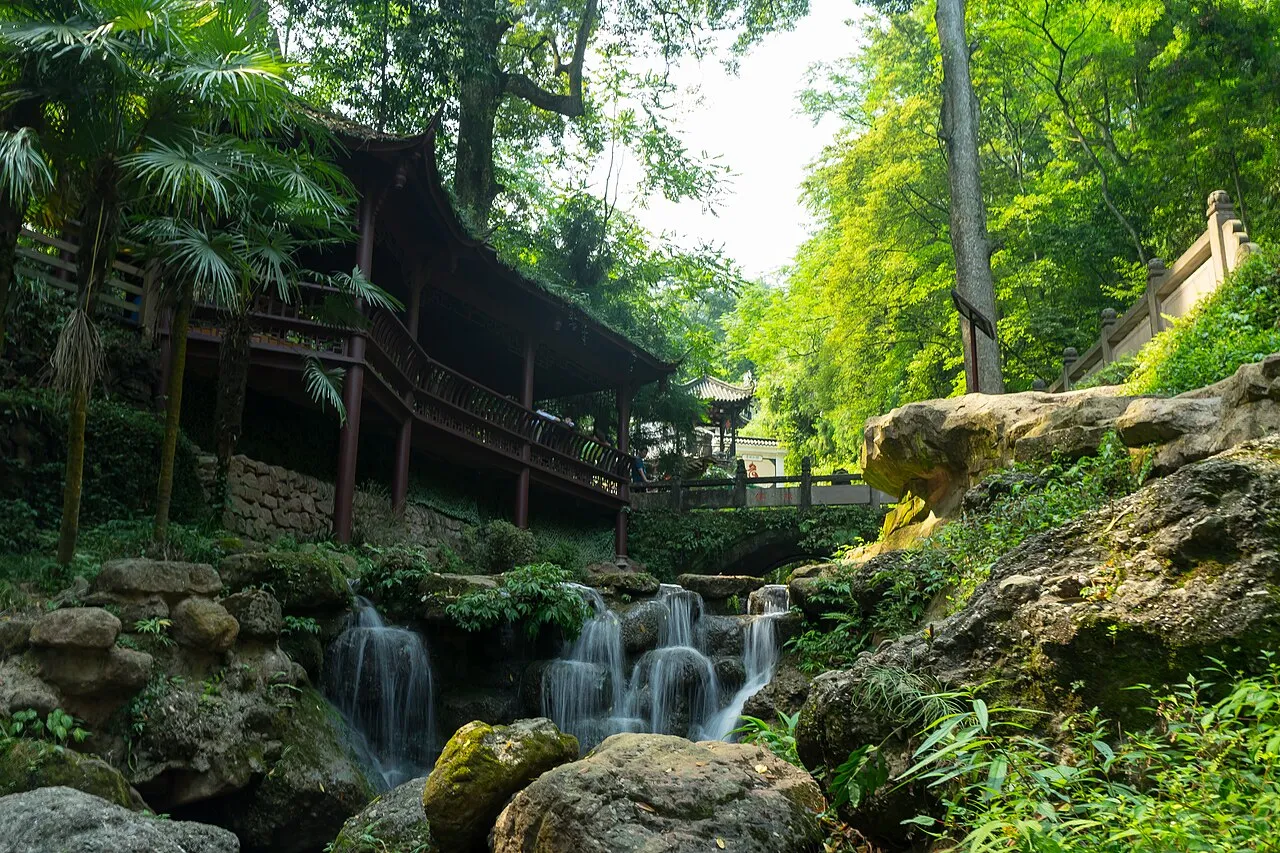
Mount Qingcheng is associated with the development of Taoism and is recognised with Dujiangyan as a World Heritage property. Forested slopes and temple architecture make it a different experience from a city museum. It rewards time on foot, but the route should reflect your interest and energy rather than a desire to see every named stop.
Front mountain or back mountain?
The front-mountain area is the usual choice for a first visit focused on Taoist temples. The back-mountain area is a separate outing, generally chosen for its scenery and walking. Do not treat the two names as interchangeable ticket options or assume both fit comfortably into the same day.
Plan the climb and the return
Choose your uphill and downhill arrangements before setting out, including any lift you hope to use. Allow time for walking between transport and the actual sights. Steps can be demanding even with assistance uphill. Turn around while you still have a comfortable margin for the descent and return connection.
Travel from Chengdu
Reserve a full-day window from Chengdu, especially if you value time in the temples. Check the current transport connection to the correct entrance. Combining Qingcheng with Dujiangyan may suit a brisk sightseeing day, but reduces the time available for either place; a slower traveller should consider separating them.
What if it rains?
Forest atmosphere can be appealing in mist, but wet steps change the walking effort and grip. Check open routes and operating transport, use appropriate footwear and shorten the day if conditions worsen. A scenic photograph is not a reason to continue along a closed or uncomfortable section.