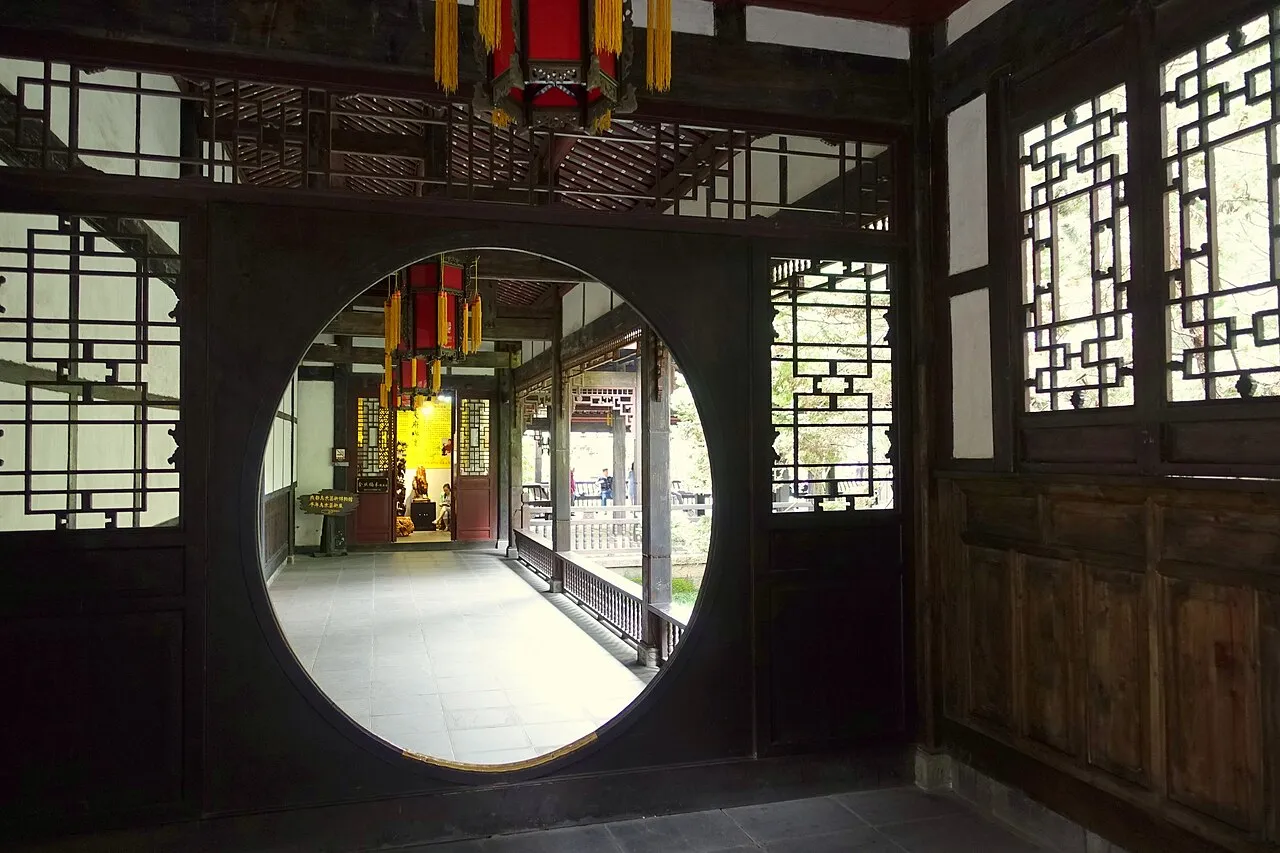
What makes the shrine worth visiting
Wuhou Shrine is associated with Liu Bei, Zhuge Liang and the history of the Shu kingdom. It offers a way into the Three Kingdoms story through a physical place rather than a list of names. Courtyards, memorial halls and inscriptions are most rewarding when you have a little historical context.
A useful way to explore
Before entering, learn who Liu Bei and Zhuge Liang were and how their roles differed. Inside, follow the museum’s visitor route, stopping at interpretation and selected memorial spaces. Compare the formal halls with the garden paths. A guide can help separate historical evidence from later literary stories, which are often mixed together in popular retellings.
Timing and pacing
Reserve two to three hours if history is a priority, or a shorter focused visit if your group mainly wants the atmosphere and architecture. Choose a few questions to discuss rather than memorising every name. Shaded pauses help make a cultural visit easier for children or travellers arriving after a long journey.
Tickets and a nearby meal
Confirm the museum’s current entry requirements and bring the identification used for booking. Jinli is adjacent, but shopping streets and museum admission are separate experiences. A good sequence is a substantial museum visit, a meal break and a modest amount of lane browsing, rather than trying to make all three fit into one rushed hour.
Do I need to know the novel first?
No. A short introduction to the historical period is enough. Ask your guide to explain essential characters as they arise. Reading the entire Romance of the Three Kingdoms is not a prerequisite, and a visit can be enjoyable even if your interest is mainly architecture and gardens.