What is special about Sanxingdui?
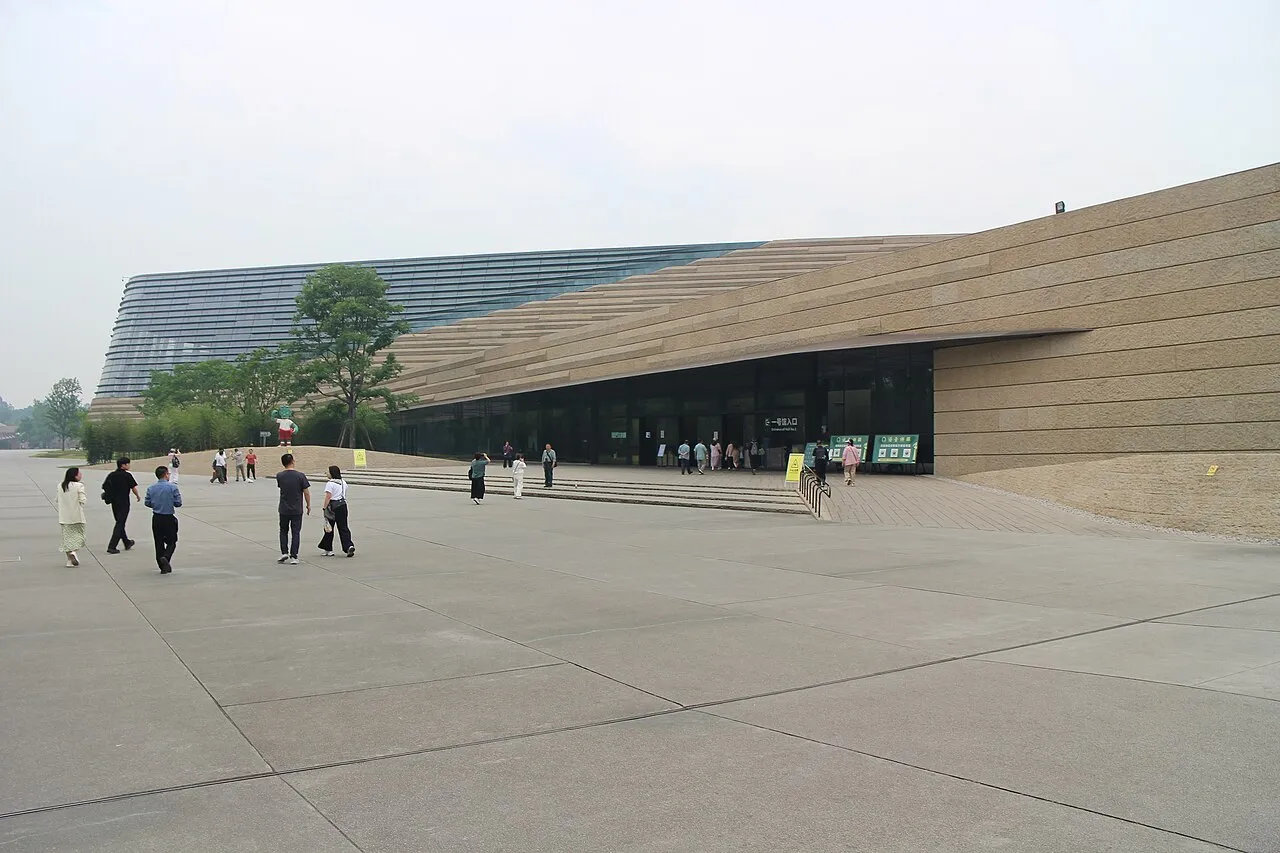
The museum presents discoveries connected with ancient Shu, including striking bronze faces, figures and ritual objects. Its value is not simply that the shapes look unusual: the collection encourages questions about belief, craftsmanship and the variety of early cultures in what is now China.
Choose a few objects to understand
Begin with the museum’s introductory interpretation, then focus on a small number of major objects. Compare scale, material and construction details rather than photographing every display case. Look for explanations of archaeological context. Where interpretation is uncertain, keep that uncertainty in mind instead of turning an intriguing object into an unsupported story.
How long to allow
We suggest a substantial half day inside the museum and a full-day window when travelling from Chengdu. The journey and entry process should not consume the time you intended for the collection. A guide or official interpretation can be particularly helpful, but allow some independent looking afterwards.
Booking and transport
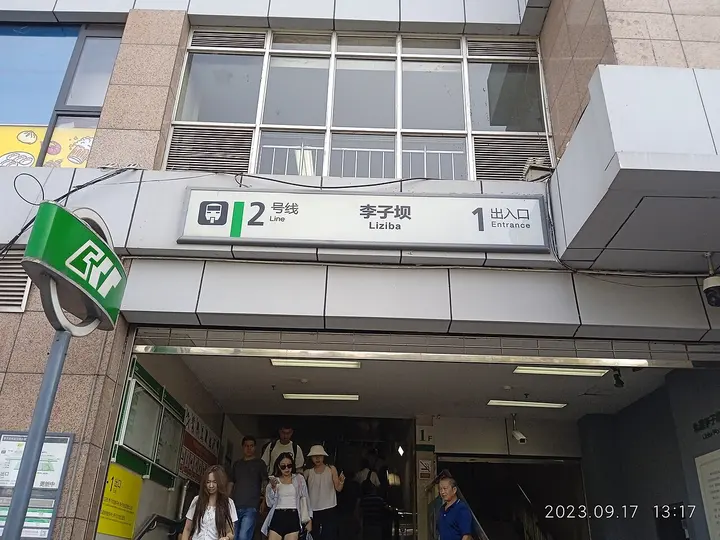
Secure the correct dated reservation before finalising a transfer. The museum is in Guanghan, outside central Chengdu; a train to the area still needs onward travel to the museum. Save the museum’s Chinese name, your booked entry information and a return plan. Confirm the accepted document and current visitor arrangements directly.
Is it suitable for children?
The visually striking objects can hold interest, especially if the visit is built around a few questions: how was it made, what is it made from, and what do archaeologists know? Keep the route shorter than an adult specialist visit and include a proper break. You do not need to explain every theory to make the day engaging.