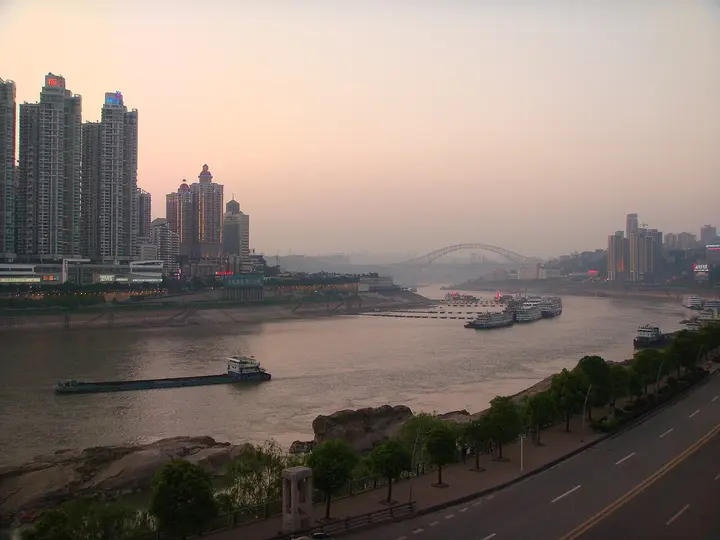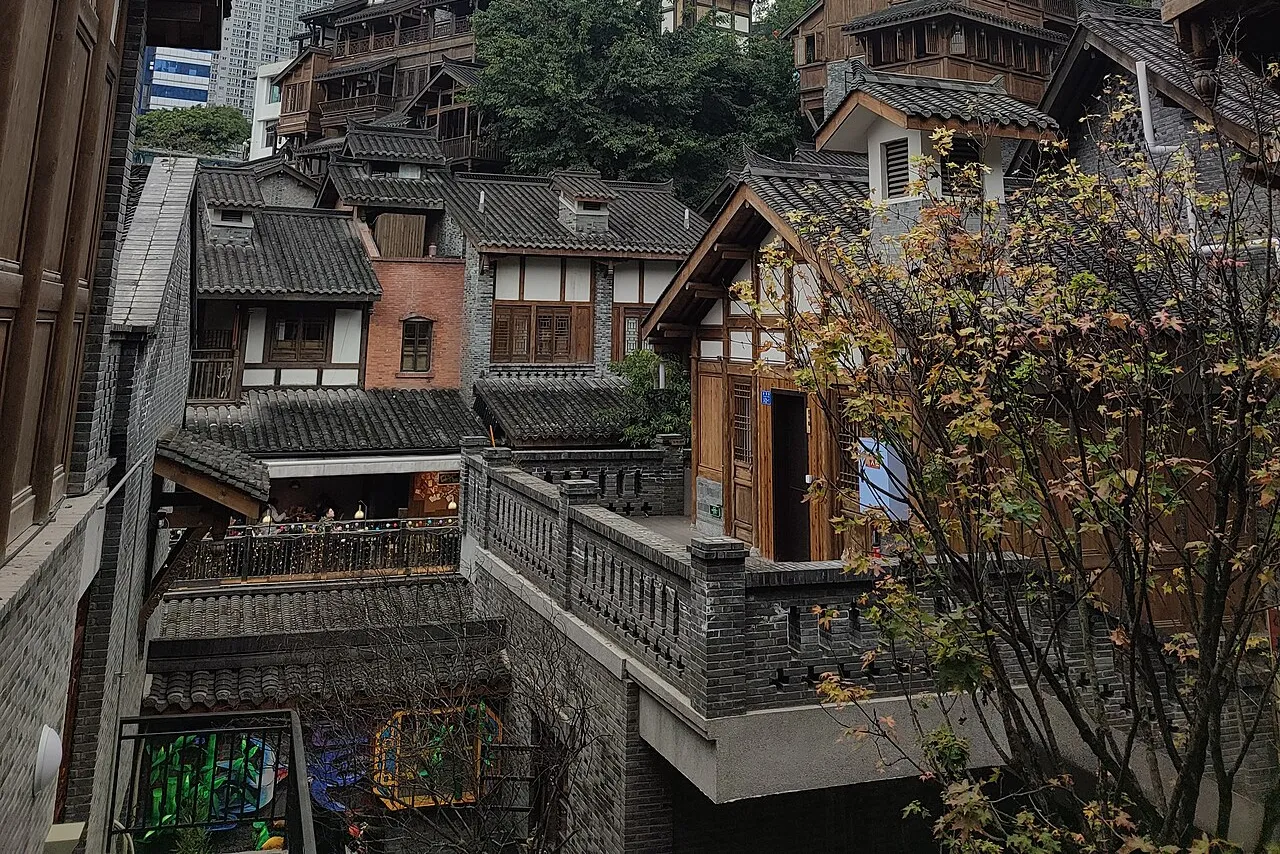
A district shaped by steps
Shibati is known for its stairways and the connection between upper and lower parts of the city. The present visitor district includes substantial restoration and redevelopment. Enjoy the hillside form and interpretation while recognising that the buildings and businesses are not all untouched remnants of the past.
Walking with the terrain
Choose an entrance and an exit before starting, then walk in a consistent direction rather than repeatedly climbing back to the same viewpoint. Notice how shops, doorways and balconies follow the slope. Pause on wider landings for photographs; narrow stairs need to remain clear for other people.
A manageable amount of sightseeing
One to two hours works for a walk and a drink, with longer for exhibitions or a meal. The appeal is best appreciated slowly, especially where information explains the area’s history. Give yourself permission to stop before the last staircase if heat or fatigue makes the visit less enjoyable.
Practical planning
Check current lift or accessible-route arrangements if steps are difficult. An accessible entrance does not necessarily make every lane step-free. For onward travel, use a pickup point at the correct road level. Rain can make stone surfaces slippery, so shorten the route when conditions are poor.
Is Shibati the same experience as Hongyadong?
No. Shibati centres on hillside streets and stairways; Hongyadong is associated with its dramatic riverside architectural frontage. You can see both on a longer city visit, but allow a transfer and choose different times of day so they do not become two rushed photo stops.