See an archaeological site, not just a famous photograph
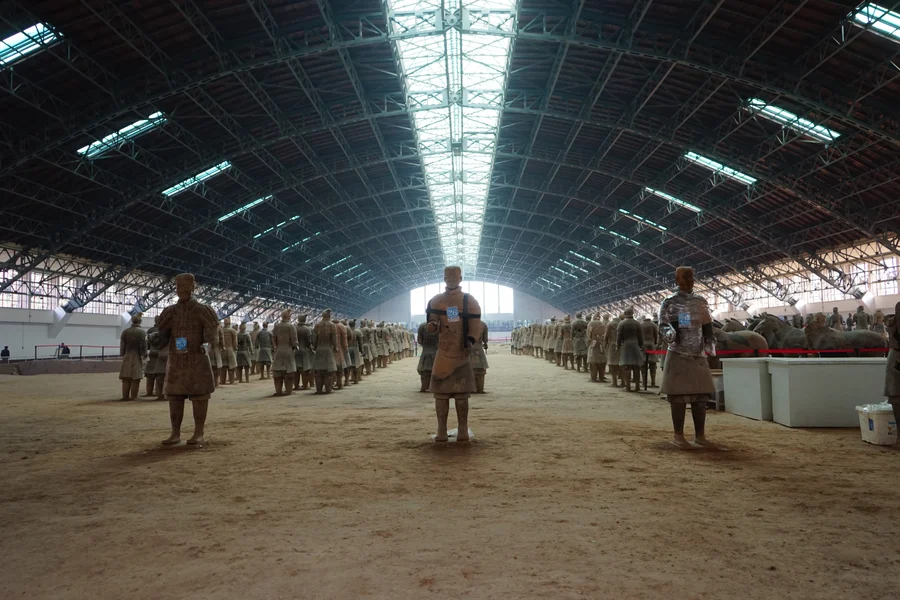
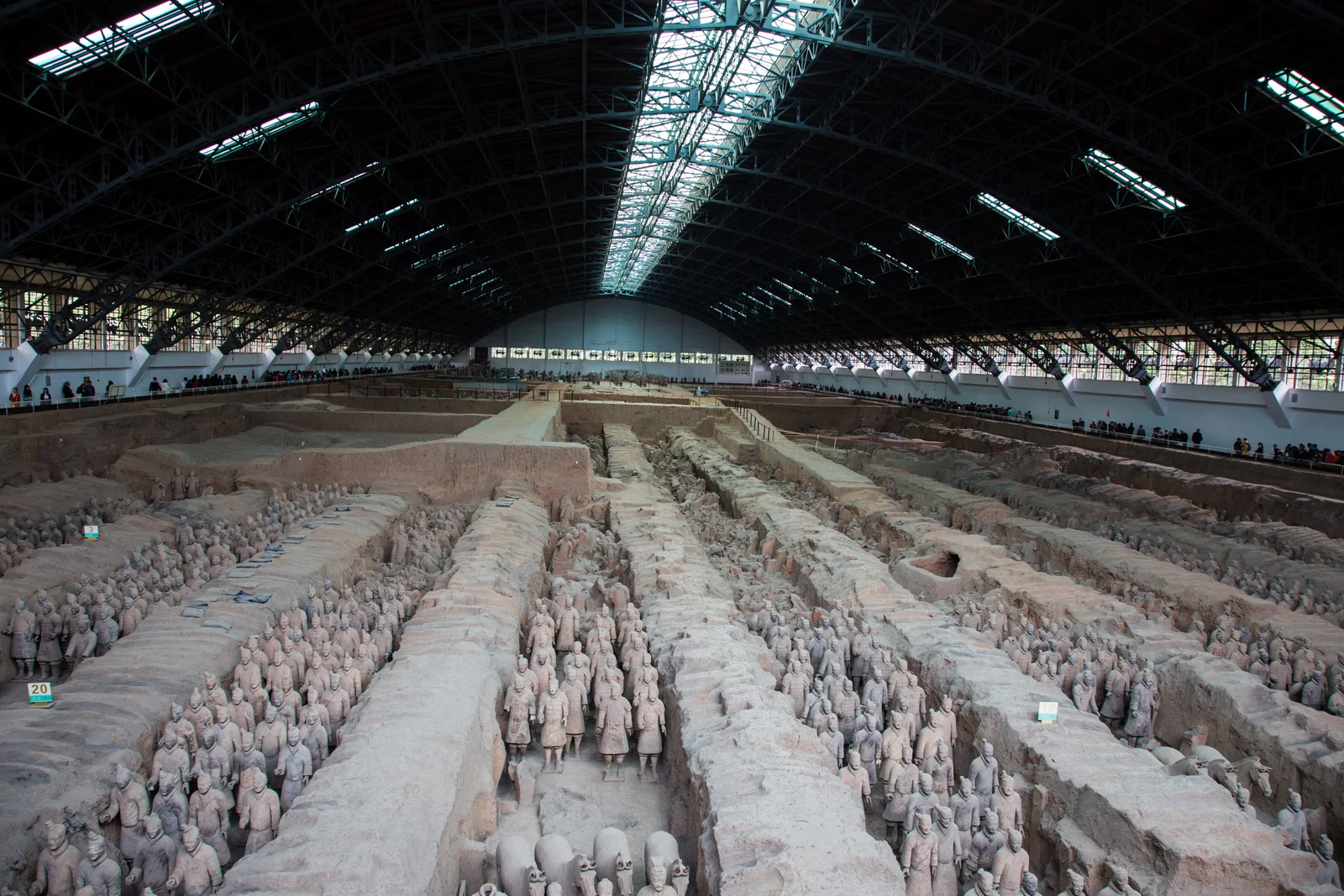
The first wide view of the Terracotta Army can be overwhelming. A more rewarding visit then slows down: look at the arrangement of the figures, compare details you can actually see and ask how excavation and conservation affect the scene. The UNESCO World Heritage description places the army within the wider mausoleum of China’s first Qin emperor and highlights the evidence it preserves about sculpture and military organisation.
Keep this distinction in mind when planning from Xi’an. A brief view of the main pit and a visit that also includes the wider site are different commitments. The suggestions below help you choose the scope; they do not promise access to closed archaeological areas. Booking and visitor information was checked on 20 November 2026.
Book the visit and bring the matching document
Use the museum’s official channels and check the selected date and admission arrangement before travelling to Lintong. The official ticketing instructions list a standard adult ticket at CNY 120 and require original valid identification at entry, including passports for visitors booking with them. Check the current order page before payment. Do not assume a child, student or senior concession applies solely because of age; the published categories include nationality and document conditions.
Scroll sideways to see all columns.
| Ordinary admission season | First admission | Last admission |
|---|---|---|
| 16 March–15 November | 08:30 | 17:00 |
| 16 November–15 March | 08:30 | 16:30 |
These are the published regular admission windows, not a recommended arrival time or a promise of holiday hours. The museum visitor page separates admission from closing and carries visitor notices. Check the notice for your date and leave enough time to complete your chosen visit; arriving just before last admission is a poor basis for a full museum day.
Keep the reservation confirmation accessible and check each traveller’s document record. An application, a third-party request or an unpaid order is not the same as a confirmed booking. If a planner books for you, ask who holds the confirmation, where you meet and how any problem at entry will be handled. Share required document details through the agreed booking process rather than an initial public enquiry form.
Give each viewing area a different question
Scroll sideways to see all columns.
| Part of the visit | A useful observation | How to keep it rewarding |
|---|---|---|
| Pit One | How do rows and corridors organise the army? | Take in the broad view, then look for a smaller detail |
| Pit Two | What differences can you notice in figures and formations? | Use the labels or a guide to distinguish what is visible from what is inferred |
| Pit Three | How does this smaller layout change your impression? | Compare its space with the large first pit rather than rushing through |
| Wider mausoleum visit | What else belonged to the emperor’s burial landscape? | Choose the additional open areas before committing your remaining time |
This is an observation-led suggestion, not a compulsory order or a guarantee that every display will be open. The most useful sequence depends on your reservation, access arrangements and conditions on the day. You do not have to stand in the busiest viewpoint to understand the site; allow the group to move on when a crowded position is no longer helpful.
With a guide, ask for a short introduction before entering the busiest hall, then use a few specific questions: which details show different roles, what evidence supports an interpretation, and which parts have been restored? Confirm that the agreed language is available and distinguish guiding from admission and transport in the quote. Do not treat “private tour” as permission to enter the excavation or avoid visitor controls.
Decide whether to include Lishan Garden
The museum complex includes the warriors museum and Lishan Garden, with a shuttle connection described in its visitor information. Treat the second area as a planned part of the day, allowing for moving between sites, walking and the return. It is not simply another room beside Pit One.
For visitors interested in the burial complex beyond soldiers, the museum’s exhibition introduction describes discoveries such as acrobat and civil-official pits. Use this context to discuss what is currently open rather than assuming that every listed archaeological discovery is accessible. Agree on the actual areas to visit and what you will leave out if the group needs a shorter day.
Compare transport door to door
The site is in Lintong, outside the central-city sightseeing area. Compare the time from your hotel door to the correct entrance, not only the time spent on a main train or metro segment. The museum’s transport page describes public-transport connections involving Metro Line 9 and an onward bus connection. Recheck the live route and service information before using it; do not assume the metro arrives at the museum gate.
A prearranged vehicle can simplify the connection, especially with children or luggage, but its inclusion and pickup point must be confirmed. Ask whether the driver waits, where the return pickup is, and whether a guide accompanies the transfer or meets you at the museum. Avoid a tight onward flight or train immediately after a visit whose return time has little margin. Our rail planning guide explains why exact station names matter.
Choose a realistic day around the visit
For most first-time city itineraries, keep the museum as the main commitment of one day and put the City Wall on another. A calm meal after returning to the city is easier to adapt than a second tightly timed excursion. Travellers who want a deeper archaeological visit should discuss that priority before adding other stops.
Families can choose one observation task for each child and build in breaks; see our family travel guide. If steps, standing or crowds are difficult, discuss the precise route and facility availability with the museum or service provider before booking. The existence of a wheelchair or visitor-service listing does not guarantee the equipment or route needed by a particular traveller.
Bring the required documents, comfortable footwear and what you need for the forecast, while checking the venue’s current item and photography rules. Follow signs and staff instructions. A guide can help you understand the artefacts; nobody should promise touching them, walking into the pits or accessing conservation work.
For the wider trip, see the Beijing–Xi’an–Shanghai ten-day route and China trip cost guide. To arrange your own version, leave a request for our designers. Only contact details are required; we will follow up on dates, route and services.