Compare the actual service
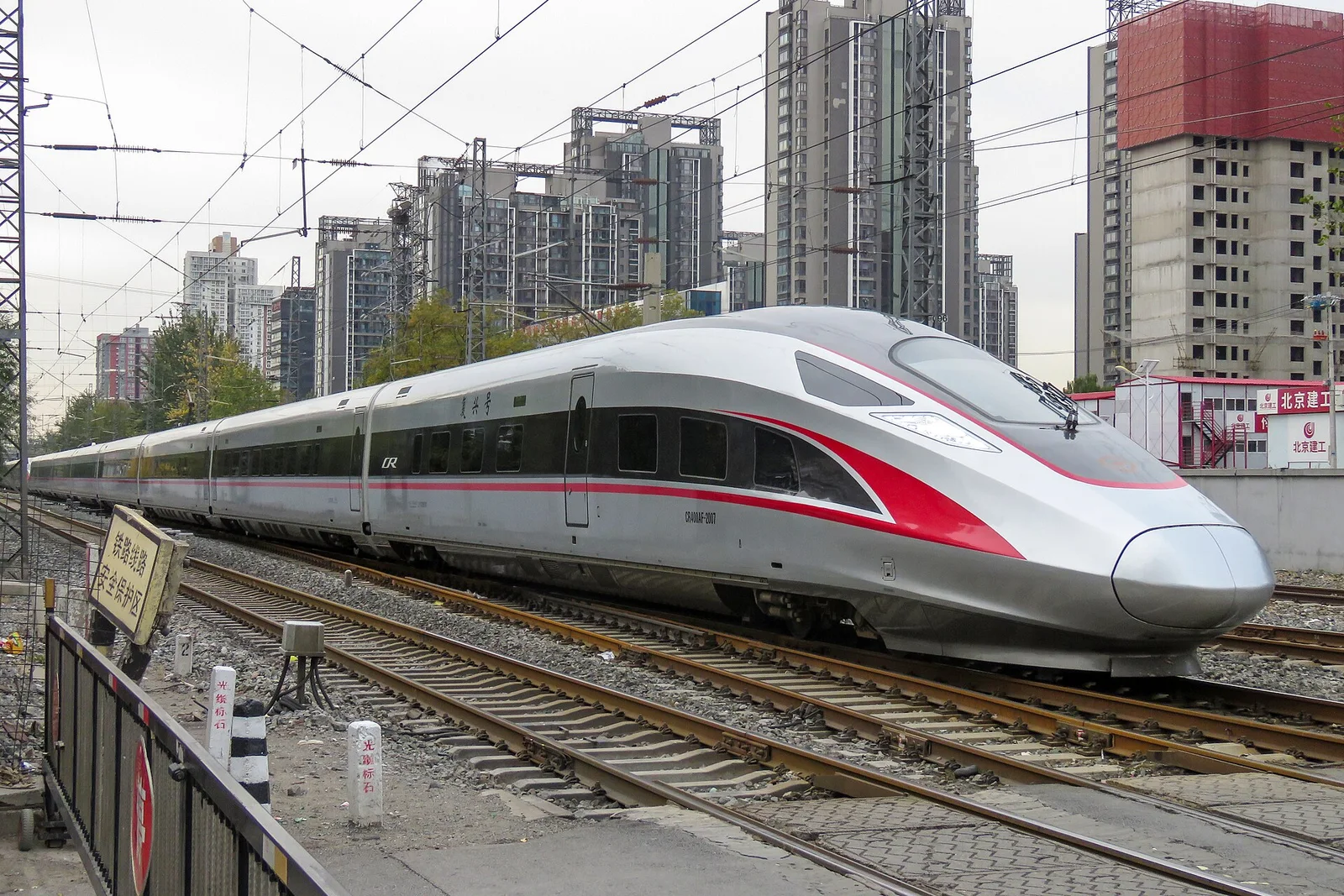
The available seat categories depend on the train you choose. Open the details for that departure before comparing prices. Photographs of a different train model are not a reliable promise of the seat, storage or onboard service you will receive.
Begin with the train that fits your day: departure station, arrival time and connection to the hotel. A premium seat on an inconvenient departure may be less useful than an ordinary seat on the right service.
Match comfort to journey length
For a short hop, consider whether the fare difference would be better spent on a comfortable transfer or an extra hotel night. For several hours, personal space and the ability to rest become more significant. Travelling with an older parent or working during the journey can change the calculation.
Check the seat layout shown for the service and ask about any essential access needs before booking. Do not assume that upgrading the seat resolves steps, platform access or the walk through the station.
Make seating together a separate question
Select adjacent seats when the booking system offers that choice, then verify the assignments on the confirmed order. A request for seats together is not the same as a guarantee. For a group, decide which pairings matter most, such as a child with an accompanying adult.
Keep the final carriage and seat list with the group's travel details. If people are split across carriages, arrange where to meet after leaving the train rather than gathering in a busy doorway.
Read what is included
Check the fare conditions and any explicitly included services for the selected train. Treat a meal, lounge or special service as included only when the booking or operator confirms it. Bring what you personally need for a comfortable journey anyway. If you are comparing a daytime seat with a berth, our overnight train guide looks at sleep, arrival and hotel arrangements.