Who this three-week China itinerary suits
Twenty-one days can support a broad China journey, but seven destination areas still mean frequent packing and six intercity moves. The route below suits travellers who enjoy contrasts and accept that several days are mainly for transport. It combines Beijing, Xi’an, Chengdu, Chongqing, Zhangjiajie, Guilin/Yangshuo and Shanghai. It is not our default recommendation for somebody asking for very little movement.
The outline assumes arrival in Beijing on day 1 and departure from Shanghai on day 21. There are twenty hotel nights. Connections, admission slots, accommodation and the final order need confirmation for your dates; this is a planning idea, not a scheduled departure or a live-priced package. For fewer destinations from the outset, compare 10 or 14 days in China before adding extra regions.
Day by day: a varied twenty-one-day route
Scroll sideways to see all columns.
| Day | Suggested experience and pacing | Overnight base |
|---|---|---|
| 1 | Arrive in Beijing, check in and keep the first evening easy. | Beijing |
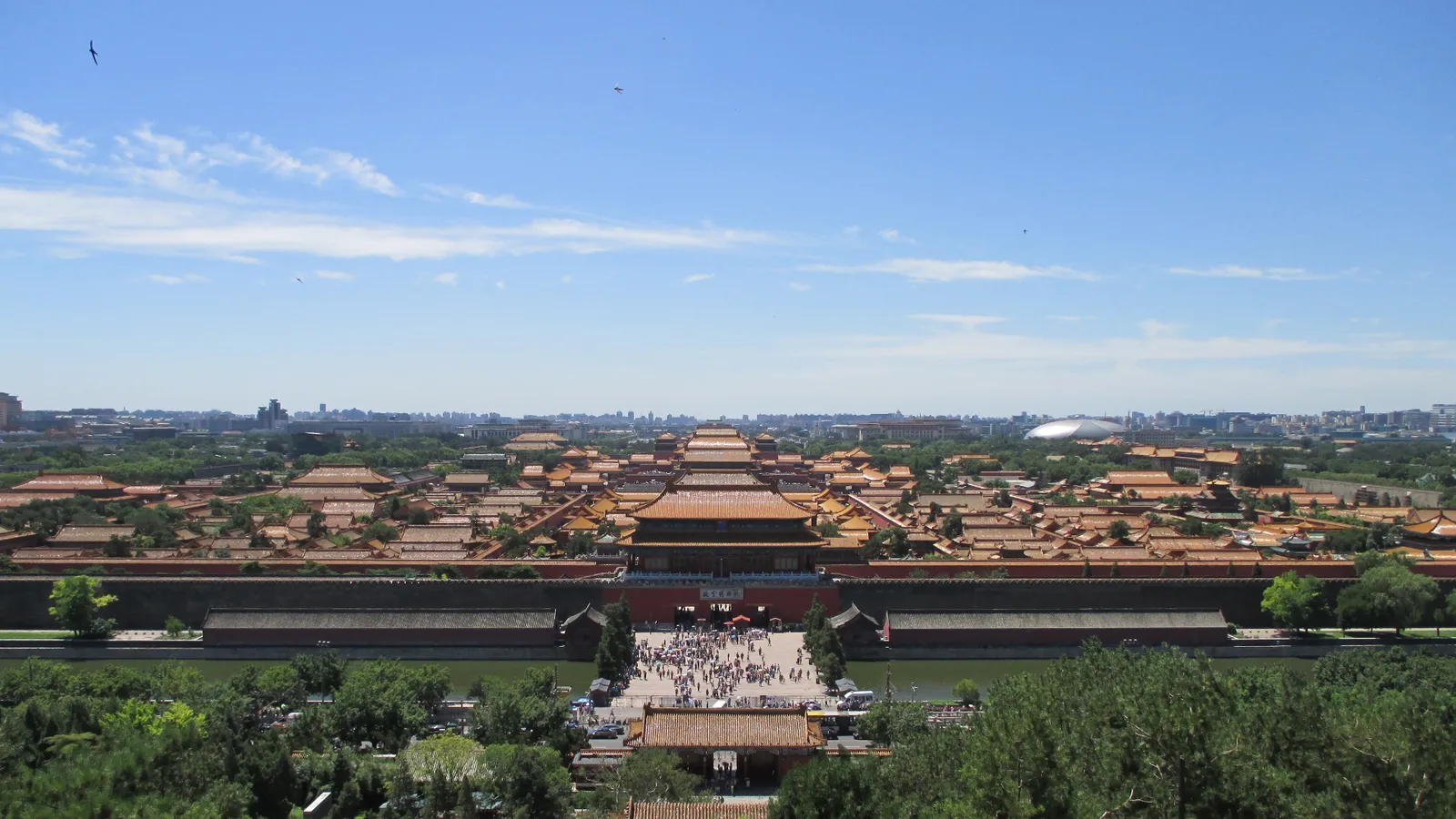
| 2 | Make the Palace Museum the main visit, with a flexible afternoon afterward. | Beijing |
| 3 | Set aside a separate Great Wall day; choose the section and walking effort before arranging the transfer. | Beijing |
| 4 | Choose the Temple of Heaven or a neighbourhood day, leaving time for a slower meal. | Beijing |
| 5 | Move to Xi’an. Treat any evening walk as optional after the hotel transfer. | Xi’an |
| 6 | Focus on the Terracotta Warriors, with time to understand the archaeological site. | Xi’an |
| 7 | Explore a manageable part of the City Wall and old-city streets, adjusting the walking for conditions. | Xi’an |
| 8 | Move to Chengdu and settle in rather than adding a tightly timed attraction. | Chengdu |
| 9 | Plan the panda visit, then leave a quieter afternoon for rest or tea. | Chengdu |
| 10 | Choose a Chengdu food and neighbourhood day; Dujiangyan would replace this rather than be an extra. | Chengdu |
| 11 | Move to Chongqing, reach the hotel and keep the evening plans close by. | Chongqing |
| 12 | Explore a selected riverside and hillside area, with an evening view if energy and weather allow. | Chongqing |
| 13 | Travel to the Zhangjiajie area using a confirmed connection; complete the transfer to Wulingyuan. | Wulingyuan area |
| 14 | Focus on one sensible forest-park circuit, matching walking, lifts and in-park transport to the group. | Wulingyuan area |
| 15 | Use a second park day for a different area, with a lighter option if weather or fatigue changes the plan. | Wulingyuan area |
| 16 | Move toward Guilin or Yangshuo only after the actual rail or air connection is checked. | Guilin or Yangshuo |
| 17 | Choose a Li River experience suited to where you stayed and the current operating conditions. | Yangshuo |
| 18 | Keep a countryside and rest day; choose walking, a gentle ride or time at the hotel according to the group. | Yangshuo |
| 19 | Move to Shanghai. Keep important sightseeing off this connection day. | Shanghai |
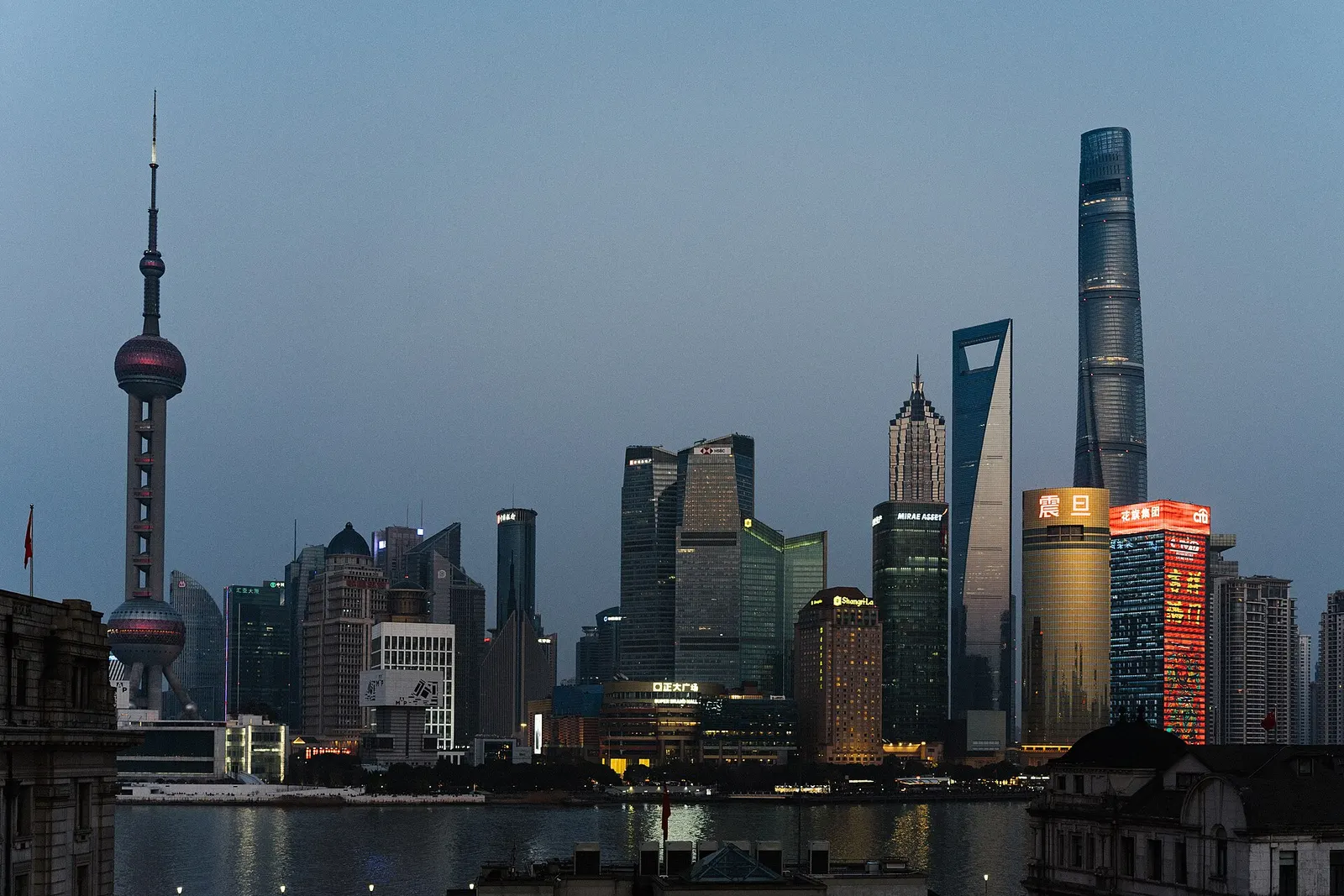
| 20 | Choose Yu Garden and the Bund, or a museum and neighbourhood day; one full day requires priorities. | Shanghai |
| 21 | Depart, with the airport transfer based on the actual flight. | Departure |
The hotel-night allocation is Beijing 4, Xi’an 3, Chengdu 3, Chongqing 2, Zhangjiajie/Wulingyuan 3, Guilin/Yangshuo 3 and Shanghai 2. A Guilin arrival-night stay followed by Yangshuo adds another hotel change within one destination area. Use nights, not just city names, when comparing the effort involved.
Which visits need the most care?
Give the Palace Museum and Great Wall their own days, and adjust the palace date to the actual reservation calendar. In Xi’an, keep the Terracotta Warriors as the priority of its excursion day. The Beijing five-day plan explains the capital’s pacing; the ten-day classics route shows how to keep the historical cities with fewer moves.
In Chengdu, a countryside excursion competes with city time. In Chongqing, choose a coherent area rather than several hillside sights scattered across the city. The southwest ten-day route offers a focused alternative if these experiences matter more than the national circuit.
The two park days here focus on the Zhangjiajie forest-park area. They do not quietly include a separate Tianmen Mountain day. If Tianmen is essential, reallocate a day and review the hotel location and onward transfer. Read the Zhangjiajie five-day outline before deciding what to remove. A Li River activity also needs to fit its actual departure point and conditions, not merely a line reading “river cruise”.
A slower alternative: five regions instead of seven
Remove Chongqing and Guilin/Yangshuo, then redistribute the same twenty nights: Beijing 5, Xi’an 3, Chengdu 4, Zhangjiajie 4 and Shanghai 4. This is the five-region example in our trip-length guide. It reduces the number of intercity moves from six to four, though the Zhangjiajie block may still use two hotels.
The extra Beijing night creates a quieter day and flexibility around reservations. Chengdu gains room for a chosen excursion without losing all city time. Zhangjiajie gains room to discuss Tianmen or a lighter day. Shanghai gains proper museum and neighbourhood time. Those are choices made possible by the extra nights, not promises to include every option.
The directness and timing of Chengdu–Zhangjiajie and Zhangjiajie–Shanghai still need checking. A simpler map does not guarantee a convenient departure. Change the sequence if actual connections make another order better, and keep some recovered time for rest rather than immediately filling it with more stops.
Hotel areas and moving days
Compare central Dongcheng or Xicheng in Beijing, an old-city base in Xi’an, central Chengdu, and a Chongqing location chosen for practical vehicle access as well as the view. For forest-park days, examine Wulingyuan-area accommodation; a Tianmen visit changes the location discussion. In the Guilin/Yangshuo block, decide whether an arrival night in Guilin is genuinely useful or only creates extra packing. In Shanghai, compare Huangpu and Jing’an against the chosen visits.
No area guarantees a quiet room, easy access or a short airport transfer. Check each hotel’s exact position, room setup and cancellation terms. Discuss stairs, children’s bedding, several bags or reduced mobility before choosing a property, not after the route has been priced.
Treat days 5, 8, 11, 13, 16 and 19 as transport-led days in the broad route. Compare hotel-to-hotel time, including checkout, the correct station or airport, entry procedures and the final hotel transfer. Use China train-booking guidance and current transport services; no fixed timetable or direct-flight promise is built into this outline.
Weather, rest and the last connection
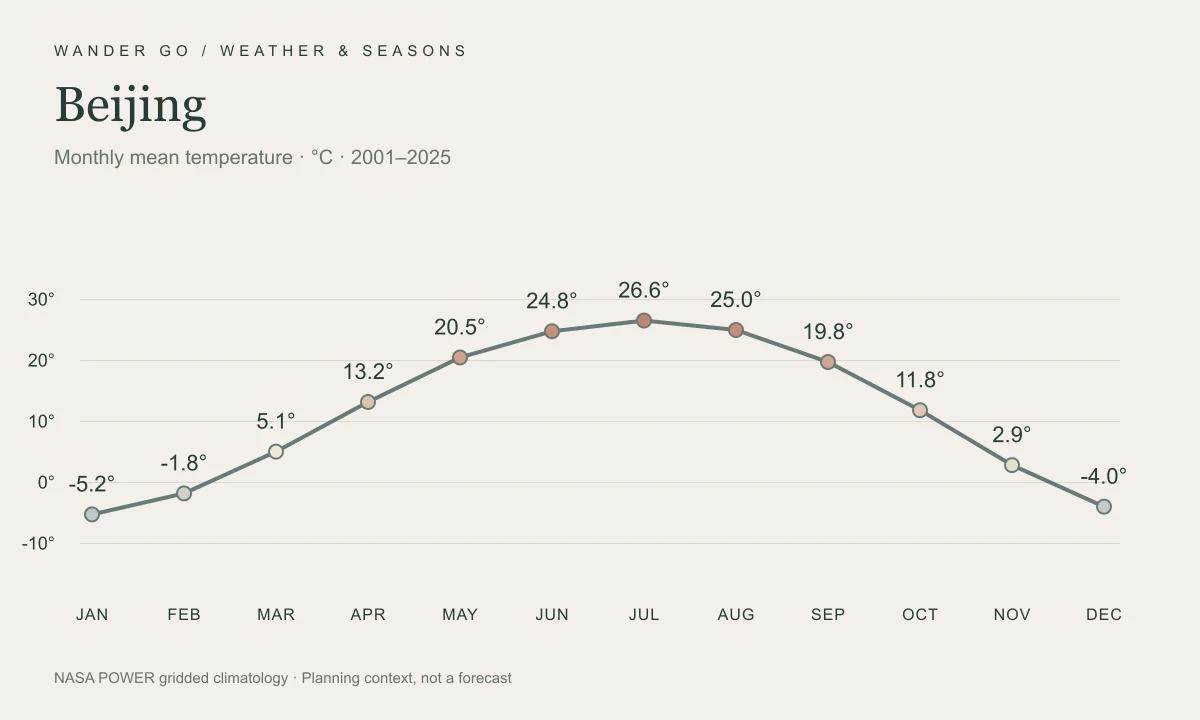
Keep an alternative for exposed viewpoints and river or countryside activities. Moving a visit within a stay can be easier than moving a hotel night, which is another reason to avoid filling every day in advance. A lighter afternoon can be a tea-house visit, a short neighbourhood walk or simply time at the hotel; it does not need another paid excursion.
Keep Shanghai’s final departure day free of an essential attraction. If a long-haul flight makes the return journey inflexible, discuss whether more nights in the final city are preferable to another stop elsewhere. Separate transport bookings should not be assumed to protect one another when a connection is missed.
Turn the outline into a quote
Use the China trip cost guide to compare rooms and nights, local vehicles, guide scope, intercity tickets and named admissions. The total depends on the actual dates, party and room arrangement; this outline does not imply a national per-day price. Choose the broad or slower version first so that different proposals price the same trip.
Send this three-week route through Custom, adding the regions you would remove, your preferred pace and dates if known. Contact information is the only required field. A designer will follow up to check the route and arrangements; the form does not reserve transport or confirm a price.