Build a China family trip around shared discoveries
A rewarding family holiday needs something everyone wants to see and enough room to enjoy it. Choose a small number of overnight bases, one main discovery each day and a realistic way to shorten the plan. A panda visit, a palace courtyard or a meal the children help choose can be memorable without adding a second long excursion afterwards.
Start by discussing each child’s interests, usual sleep and meal routine, comfort with walking, and any access needs. Ages are useful for planning and booking, but they do not tell the whole story. This guide offers route ideas rather than a fixed package; official visitor information was checked on 20 November 2026.
Match the pace to your family
Scroll sideways to see all columns.
| Planning stage | A useful emphasis | A detail to settle |
|---|---|---|
| Younger children | Short discoveries and a dependable rest | How easily can you return to the hotel? |
| School-age children | A question, story or small observation task | Which activity do they want to help choose? |
| Teenagers | More choice and time for personal interests | Which parts of the day can remain flexible? |
These are planning suggestions, not attraction age bands or ticket rules. A mixed-age family may need an optional split activity with clear adult supervision, rather than asking everyone to complete the longest walk. Choose the slower shared plan as the foundation and add optional time for those who want it.
What can children actually do at the main stops?
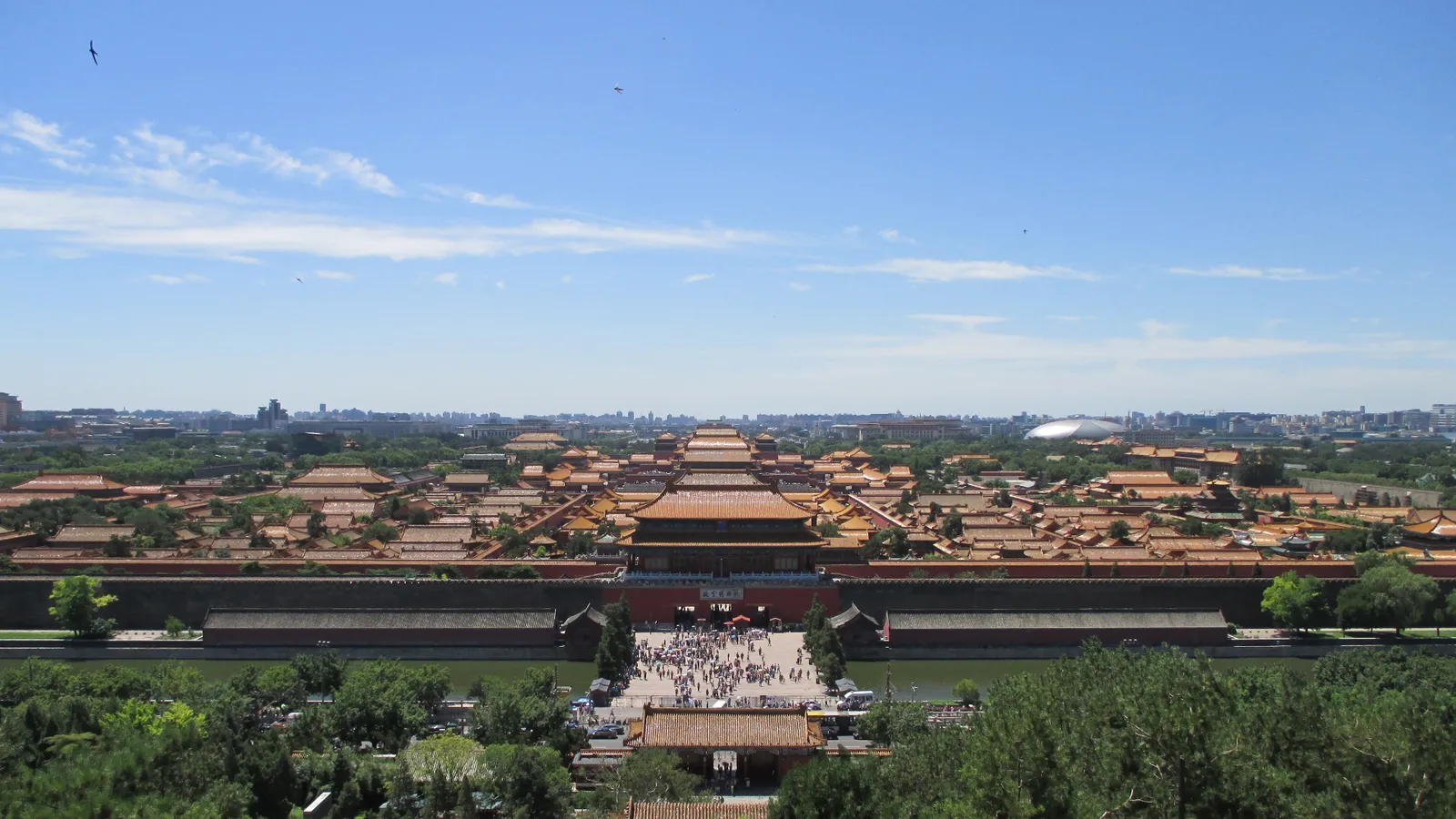
In Beijing, turn a palace visit into a short investigation: look for repeated colours, compare a great courtyard with a smaller one, and choose one detail to sketch afterwards. Decide how much of the complex to cover before entering. The Palace Museum visitor page provides opening information, suggested trails and a service map with facilities such as toilets and nursery locations. Check the facilities along your intended route instead of assuming the whole complex is equally convenient with a stroller.
For a Great Wall day, choose the particular section and route around the family’s walking ability, then confirm transport and any lift or cableway separately. A lift at one point does not remove every step. Keep the return and meal plan simple; the Beijing five-day itinerary is a starting point for choosing what to retain and what to shorten.
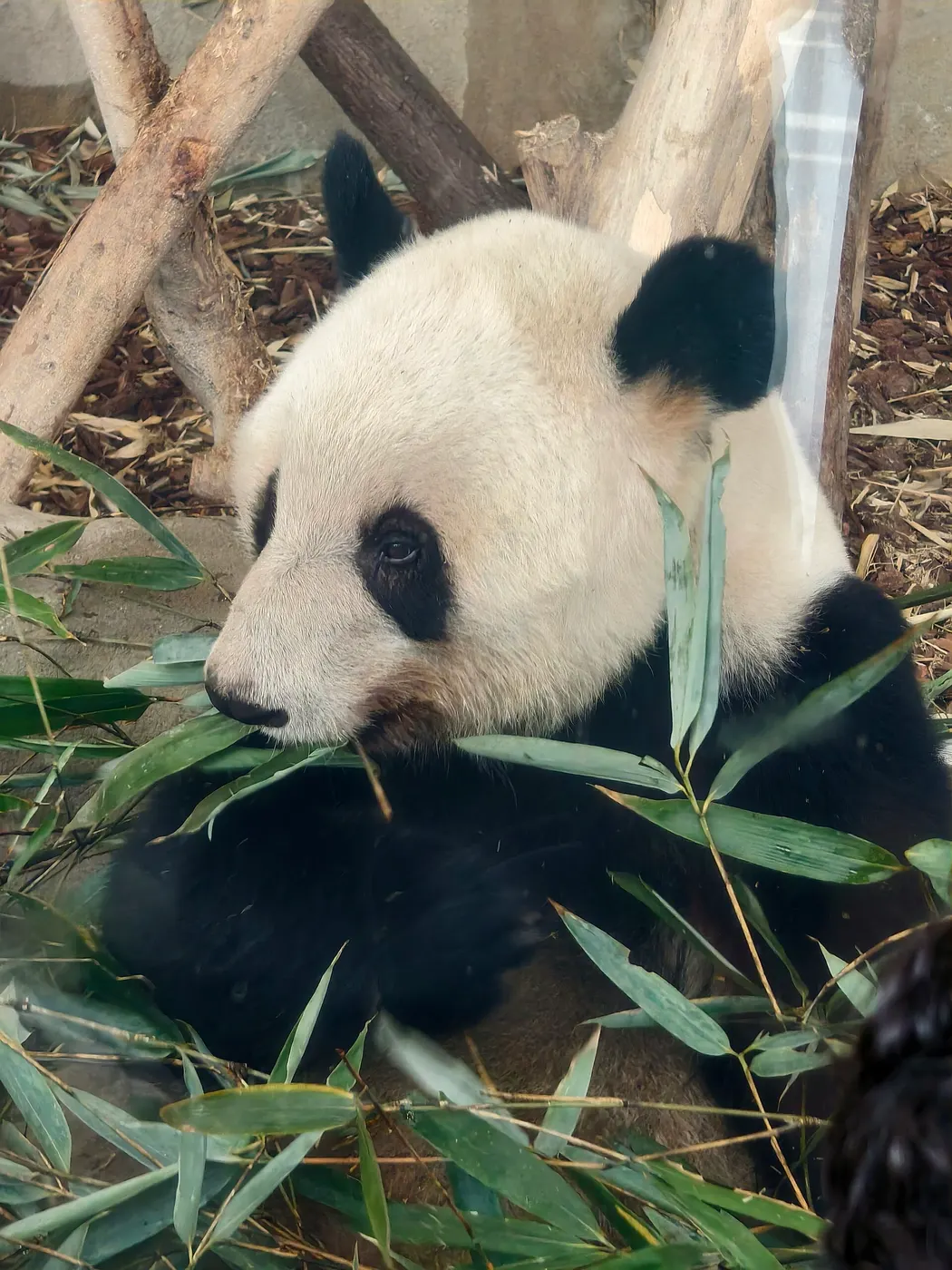
In Chengdu, quietly observe how a panda moves, eats or rests, and let children record what they noticed. The Chengdu Panda Base visitor guidance prohibits feeding, shouting and flash photography, and explains that viewing areas can close or animals may be indoors. It also lists stroller facilities and nursing rooms at visitor centres. Confirm the relevant entrance and availability; no plan should promise a particular animal’s appearance or a hands-on encounter.
In Xi’an, invite children to find differences between the figures at the Terracotta Warriors rather than trying to memorise every historical date. Follow a focused visit with a simple meal and downtime. In Shanghai, give a neighbourhood walk a small purpose, such as comparing old and new buildings, then let the family choose an indoor or park stop according to energy and weather. These are suggested ways to explore, not reserved workshops or guaranteed performances.
A ten-day family route to adapt
This example uses Beijing, Chengdu and Shanghai, with nine hotel nights: four in Beijing, three in Chengdu and two in Shanghai. It has two intercity moving days. Choose the actual flights or trains before confirming the sightseeing; this is a planning outline, not a reserved departure or a fixed transport timetable.
Scroll sideways to see all columns.
| Day | Base and main idea | Keep room for |
|---|---|---|
| 1 | Arrive in Beijing and settle in | A meal, a short local walk or an early night |
| 2 | A focused Palace Museum visit | Rest after the booked visit |
| 3 | A Great Wall outing suited to the family | A manageable return and simple evening |
| 4 | A park or neighbourhood day | A child-chosen stop or a weather alternative |
| 5 | Travel from Beijing to Chengdu | Transfer, check-in and a nearby meal |
| 6 | Observe pandas at the chosen base | Rest and a short optional activity |
| 7 | Chengdu food, a museum or local life | Time to repeat a favourite experience |
| 8 | Travel from Chengdu to Shanghai | Arrival and settling in, without a major booking |
| 9 | Shanghai neighbourhoods and riverfront | An indoor alternative and packing time |
| 10 | Depart from Shanghai | The full transfer and departure routine |
Keep the Palace Museum day movable within the Beijing stay around opening days and a confirmed reservation. The two transfer days should stay light even when the flight or train itself looks short. Compare the door-to-door journey, not only the time printed on the ticket.
With five days, a single Beijing base can be more rewarding than trying to sample three regions. With fourteen days, compare the Beijing–Xi’an–Chengdu–Shanghai example in our journey-length guide; add Xi’an only if the additional transfer suits the children. Extra days can equally be used for rest at existing bases. The first China trip guide helps choose what matters most.
Confirm the room and the moving days
Ask the property to confirm the exact room type, beds, permitted occupancy, breakfast for each guest and any agreed extra bed or cot. “Family room” is a label, not a complete description. Connecting rooms, adjoining rooms and rooms on the same floor are different requests. Keep the confirmed arrangement in writing using our hotel booking checklist.
For a private vehicle, discuss passenger count, luggage, stroller space and an appropriate child restraint before confirming the service. Do not assume the advertised vehicle seat count accounts for all of those needs. Agree where the driver can stop and whether the final part of a visit includes steps or walking.
For rail, the 12306 booking guidance distinguishes child tickets and free travel without a reserved seat, and explains identity checks. Confirm the applicable option for each child and the actual seats issued; do not assume every free-travelling child has a separate seat or that a preference guarantees adjacent seats. Our China train guide covers exact stations and the boarding routine.
Children’s tickets and meals need their own checks
Attractions set their own booking and admission conditions. The Palace Museum ticket instructions, for example, require real-name reservations for all visitors, including those using preferential admission. Check each attraction’s current age or height conditions, accepted proof, and any separate shuttle or exhibition ticket. A child’s rail fare does not establish their eligibility at a museum.
Discuss meals in practical terms: familiar options the children enjoy, a comfortable meal time and any ingredients that must be avoided. For an allergy or other essential dietary restriction, confirm the arrangement directly with the provider and carry clear written details; a general request for “not spicy” does not describe an allergy. Keep the first day’s food plan straightforward after a long international journey.
What to tell your travel designer
- Your likely dates and whether school holidays fix the window.
- The adults and children travelling, with children’s ages at travel.
- Two or three shared interests and any must-see place.
- Comfortable walking time, rest needs and stroller use.
- Room, bed and meal requirements that affect the booking.
- Whether you prefer fewer hotel changes or more regional variety.
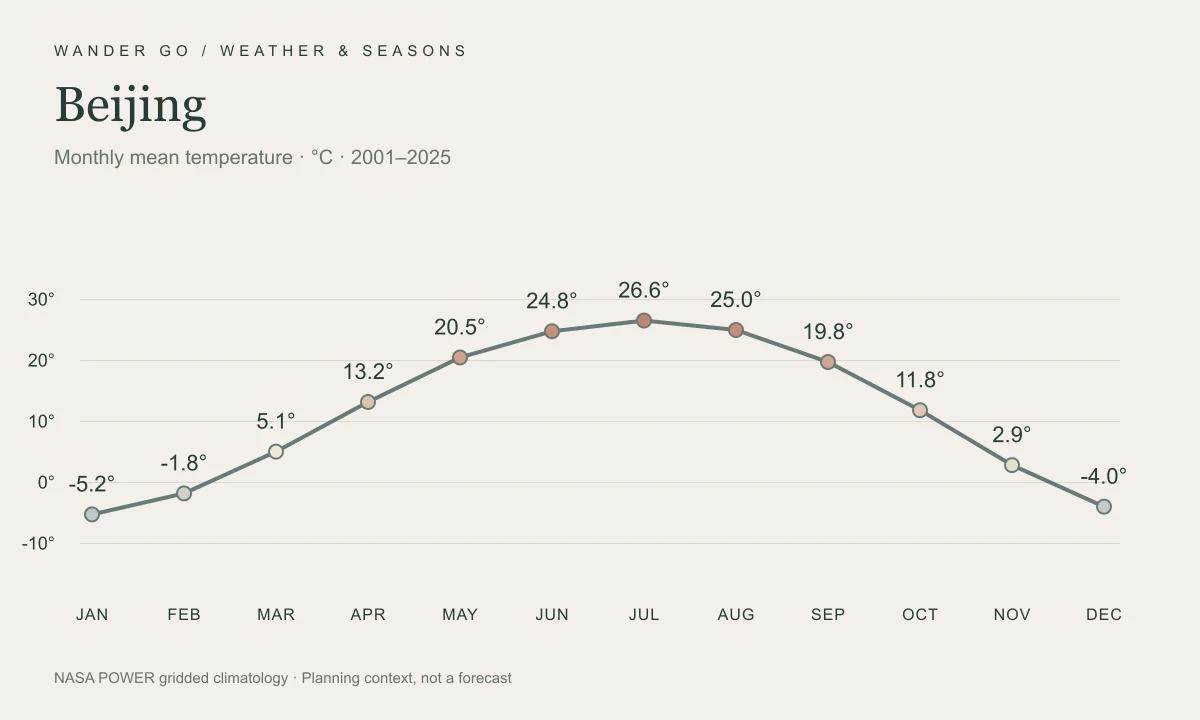
Use the season guide to compare dates and the trip cost guide to discuss what should be included. There is no single child-discount percentage to apply to hotels, vehicles, tickets and transport together.
When you are ready, leave your plans through Custom. Contact information is the only required field. A designer will follow up to shape the route and confirm practical details; you do not need to upload children’s passport scans or detailed medical records to the public form.