Understand the kind of place you are entering
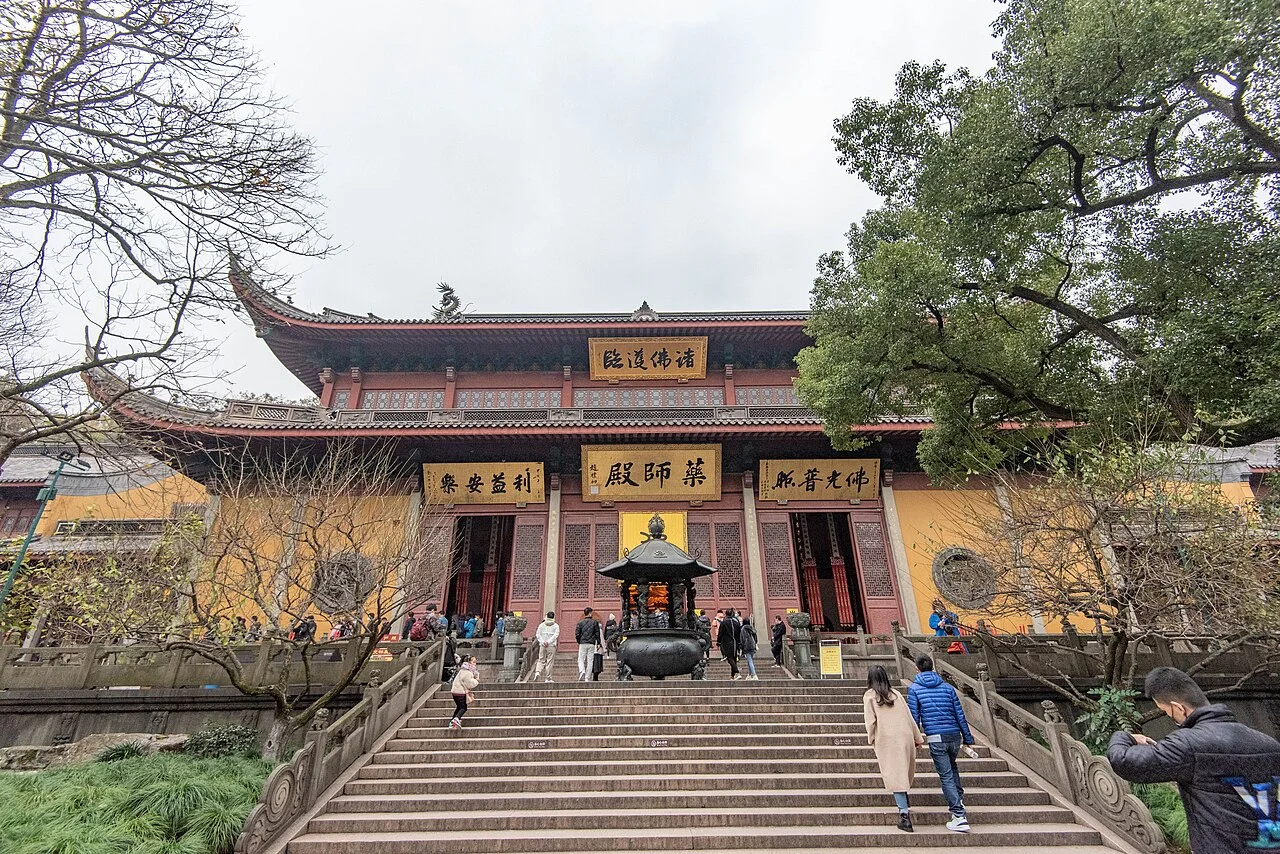
A historic religious site may be a place of worship, a visitor attraction or both. Begin with the site's current visitor information, entrance signs and staff guidance. Customs differ, so one rule remembered from another temple should not override instructions where you are standing.
Choose the visit for an interest in architecture, art, landscape or religious life. A little context from a guide can make one courtyard more meaningful than a rushed circuit of every building.
Follow the public route
Stay within areas open to visitors and respect barriers around private, working or ceremonial spaces. Keep your voice and phone quiet near people praying. If a service is taking place, ask whether visitors may observe and where to stand.
Dress and behave in a way that follows the site's own requirements. Do not imitate a ritual merely to create a photograph; ask about its meaning if you are interested in participating.
Photograph with permission
Check the rules for each hall or collection rather than assuming an outdoor photograph means indoor photography is allowed. Ask before photographing worshippers, clergy or a ceremony closely. A refusal is enough reason to put the camera away.
Avoid blocking an entrance while composing a picture. A wide view of the architecture can often communicate the place without placing a stranger's private moment at the centre of your image.
Keep the pace and purchases separate
Leave time to sit or look carefully where permitted. If you choose to buy an item or make a donation, understand what is being offered and use the site's clearly identified arrangements. Neither purchase nor participation is necessary to appreciate the setting. Pair the visit with a nearby walk instead of several distant temples in one day. Our first-trip guide helps balance cultural visits with other experiences.