Start with your route and transfers
A useful China packing list starts with the nights you will spend in each place, how you will move between them and how much luggage you can comfortably handle yourself. A Beijing–Xi’an–Shanghai rail journey needs a different bag strategy from a city stay followed by mountain walks. Packing for every possible situation usually makes the actual transfer days harder.
Lay out your itinerary, airline bookings and any equipment needs before choosing a suitcase. Mark the days with a hotel change, an early departure or an activity where the main bag will remain behind. Use the first-trip planning guide to settle the route, then organise a small day bag and a manageable main bag. The checklist below is planning advice; the linked official electrical and flight information was checked on 20 November 2026.
Keep the first-day essentials with you
Scroll sideways to see all columns.
| Item | Why it needs to be accessible | Check before leaving |
|---|---|---|
| Travel documents | Arrival checks, booked transport and hotel registration | Original documents and the requirements for your own journey |
| Arrival details | Finding the correct hotel and meeting point | Chinese hotel name, address, telephone and confirmed pickup instructions |
| Phone and charging kit | Accessing bookings, messages and maps | Working cables, compatible charger and a connection plan |
| Payment backup | Completing purchases if one method fails | More than one practical payment option and access to verification texts |
| Essential personal items | Managing the journey before the main bag is available | Necessary supplies and applicable rules for medicines or restricted items |
| One compact change | A delayed bag or a long transfer | Clothing you can use without unpacking everything |
Keep a secure offline copy of booking references and useful addresses. A screenshot can help you find a reservation, but it does not replace an original passport or other required travel document. Do not scatter passport images through public messages or leave them in an unlocked shared folder. Our entry-planning guide explains what needs checking separately; a packing list cannot determine your entry eligibility.
Save the first hotel’s actual entrance or meeting instructions, not just a translated brand name. If a driver is meeting you, agree how to make contact before departure. Keep the phone number you need for bank or booking verification usable; a new data package does not necessarily receive messages sent to your existing number. See mobile internet and travel apps and paying in China for the setup steps.
Check plugs and device voltage separately
Beijing’s official electrical-use guidance states that China uses a 220-volt supply. Read the input label on each charger or appliance. A plug adapter changes the connection shape; it does not make a device rated only for 120 volts suitable for a 220-volt supply.
Choose an adapter suitable for the sockets you expect to use and for your own plugs. Do not assume every hotel provides the same outlets or spare adapters. For a hair appliance or other high-power item, check its rating and whether you need to bring it at all. Carry a compact set of the cables you actually use rather than several unfamiliar adapters that have never been tested with your devices.
Check the power bank before packing it
For mainland domestic flights, the CAAC notice prohibits power banks without a clear CCC/3C marking and those from recalled models or batches. This is a check to make even if the power bank was accepted on your international journey into China. A readable mark alone is not the whole acceptance check.
For a dated carrier example, Air China’s August 2026 notice limits passengers to two power banks, requires carry-on rather than checked baggage, and prohibits using or charging them in flight or putting them in overhead bins. Its energy limits and approval conditions also apply. Check the current policy of every operating airline on your itinerary, including where the bank must be kept and whether approval is needed.
Inspect the unit and its original label before travel; do not bring a swollen, damaged or recalled unit. If your cabin bag is taken for checking at the gate, tell staff that it contains a power bank and remove it as instructed. A power bank useful on sightseeing days still has to meet the requirements of every flight on the route.
Adjust clothing to the actual stops
Scroll sideways to see all columns.
| Route conditions | Build your bag around | Recheck close to departure |
|---|---|---|
| Warm city sightseeing | Breathable clothes, comfortable walking shoes and sun protection | Local heat and rain forecast for each city |
| Wet or humid days | A compact rain layer, a way to protect essentials and spare dry socks | Expected rain, walking surfaces and activity changes |
| Cool mornings or higher stops | Layers that can be added and removed, plus a suitable outer layer | Conditions at the actual elevation and overnight stop |
| Winter outdoor visits | Warm layers and footwear appropriate to the planned activity | Wind, ice, venue notices and the length of outdoor time |
These are conditions to prepare for, not fixed descriptions of every month. Use the China seasons guide when choosing dates and a local forecast when finalising the bag. The arrival city’s forecast is not a substitute for conditions at a mountain viewpoint or a later stop in another region.
For a summer city trip, avoid packing only heavy outdoor clothing. For a winter northern itinerary, avoid treating a short walk from a warm vehicle as equivalent to several hours outside. If the plan combines Shanghai with Zhangjiajie, discuss the actual mountain route and walking surfaces. For Xinjiang, prepare around the chosen Kashgar, desert or mountain stops rather than using one province-wide outfit list.
Make the bag work on transfer days
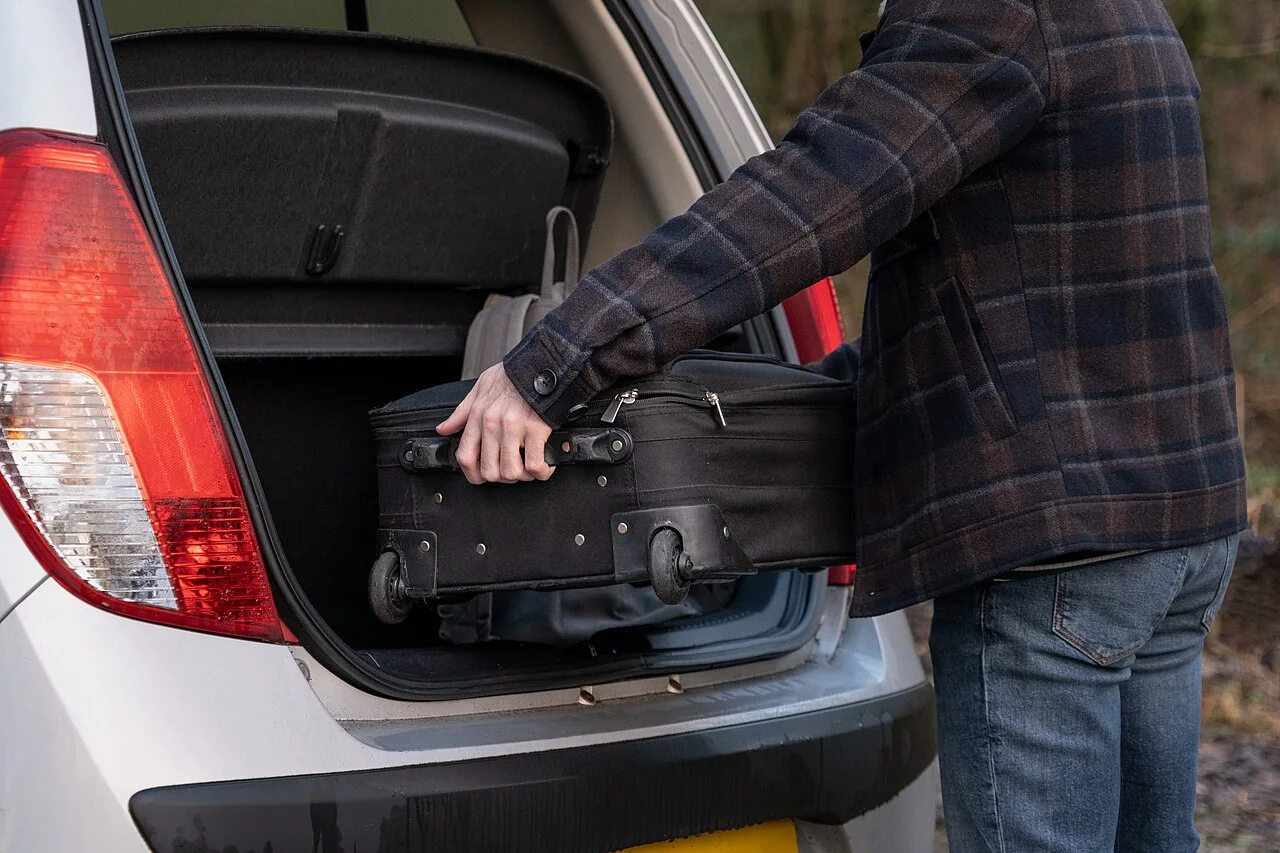
Choose luggage you can manage through a station and between the vehicle and the hotel. Check the allowance on each actual ticket; an international flight allowance does not automatically apply to a later domestic sector or train. The rail planning guide helps you check stations and the boarding sequence. Keep documents and essential small items accessible during screening without opening the whole suitcase.
For old-town accommodation, ask how close the vehicle can stop and whether stairs are involved. A room described as central does not tell you how the bag reaches the entrance. On a private trip, tell the planner about large suitcases, a stroller, camera equipment or mobility aids before the vehicle is confirmed. Passenger seats and usable luggage space are separate questions.
For a longer journey, plan where you can wash and dry clothes before deciding how many changes to pack. Confirm the hotel’s actual laundry arrangements and turnaround time; do not assume a service is included or that everything can be returned before an early checkout. The hotel checklist covers the other room details worth confirming.
Keep special requirements specific
If travelling with children, prepare the items that keep the first journey and first night manageable, then discuss stroller storage and any agreed child-restraint arrangements. See family travel in China for route pacing and room questions. Neither a vehicle category nor a hotel’s family-room label proves that particular equipment is available.
For medicines, specialist equipment or restricted items, verify the rules for the actual product with the relevant authorities and carrier before travelling. Keep any required supporting documents accessible. This guide does not give blanket medicine-import permissions or a universal list of allowed quantities.
Before closing the bag, rehearse the arrival: can you reach your original documents, show the hotel address, contact the pickup and complete a payment without opening your main luggage? If your route or equipment requirements are unusual, send them to our trip designers. Your contact details are the only required field; the team can clarify the travel arrangements with you.